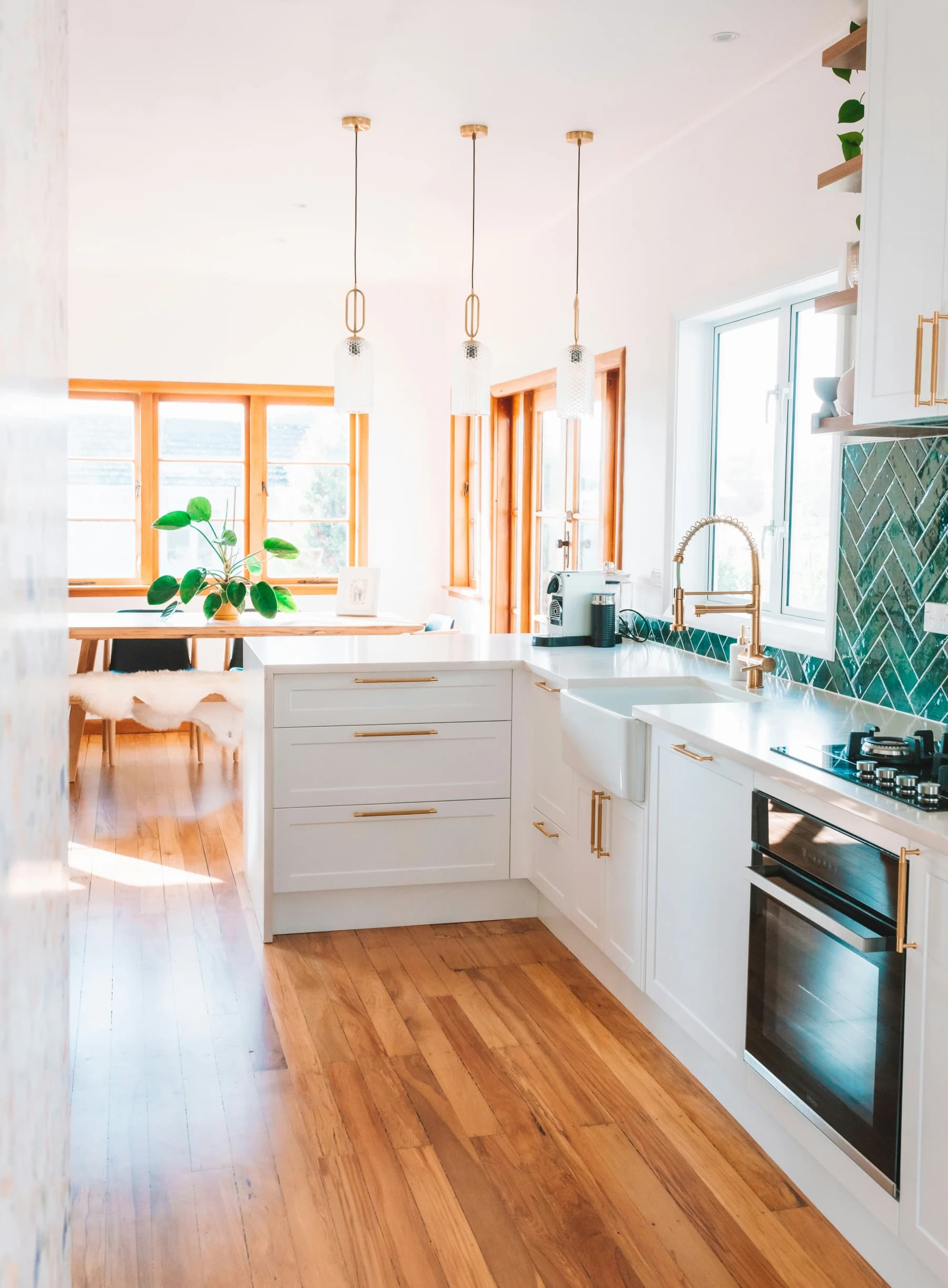
What a Home Renovation in Italy Really Costs

Maurizio Lanucara
Architect · Technical Director
June 10, 2026 · 2 min read
If you have browsed renovation shows set in Italy, you have seen the dream: crumbling stone walls transformed into sun-drenched kitchens. The reality is equally rewarding — but the budget needs to reflect Italian construction economics, not American Home Depot math.
The three tiers of renovation
| Tier | Scope | Typical cost per m² |
|---|---|---|
| Cosmetic | Paint, floors, fixtures, kitchen refresh | €400–€800 |
| Structural refresh | New systems (electrical, plumbing), layout changes | €800–€1,500 |
| Full restoration | Historic building, new MEP, seismic upgrades | €1,500–€2,500+ |
These ranges assume Rome or central Italy. Remote rural properties may cost less in labor but more in logistics.
Permits: the cost nobody quotes upfront
Before swinging a hammer, your architect (progettista) must determine which permit path applies:
- CILA — minor internal work, faster approval
- SCIA — more substantial modifications
- Permesso di costruire — structural changes, extensions, change of use
Permit fees and professional fees for filing typically run €3,000–€15,000 depending on scope and comune. Rome and Florence are not fast — budget 2–6 months for approval.
Line-item breakdown for a 100 m² Roman apartment
A mid-range structural refresh in Rome might look like:
- Demolition and disposal — €8,000–€12,000
- Electrical (full rewire) — €12,000–€18,000
- Plumbing — €10,000–€15,000
- HVAC / climate — €8,000–€14,000
- Floors and tile — €15,000–€25,000
- Kitchen (mid-range Italian) — €18,000–€35,000
- Bathrooms (×2) — €20,000–€30,000
- Doors, windows, paint — €12,000–€20,000
- Architect + project management (10–15%) — €15,000–€25,000
Total: €120,000–€190,000 — roughly €1,200–€1,900 per m².
Hidden costs that surprise foreign owners
- Condominium coordination — shared stairwell work, elevator downtime rules
- Asbestos and lead — common in pre-1980 buildings; abatement adds €5,000–€20,000
- Damp and infiltration — especially ground-floor and hillside properties
- Furniture storage and rental — if you cannot live on site during works
- VAT (IVA) at 10% on many renovation services for residential use
How to control costs
- Get a structural survey before purchase, not after
- Fix the layout on paper with your architect before choosing finishes
- Source fixtures through a designer who has trade pricing — retail markups in Italy are steep
- Build a 10–15% contingency for discoveries behind old walls
Let's talk about your project — the first consultation is free.
Request a free consultationWhen renovation makes sense vs. buying turn-key
Renovation pays off when the location is exceptional, the bones are solid, and you have time. Turn-key makes sense when you need to move in within months or lack appetite for permit bureaucracy.
ATRIA manages the full arc: feasibility study before you buy, permit filing, contractor coordination, and interior design — so one team owns the outcome.
About the author

Maurizio Lanucara
Architect · Technical Director
Maurizio has over thirty years of experience in building design and administrative management. He coordinates the technical and structural aspects of every ATRIA renovation project.
Related articles
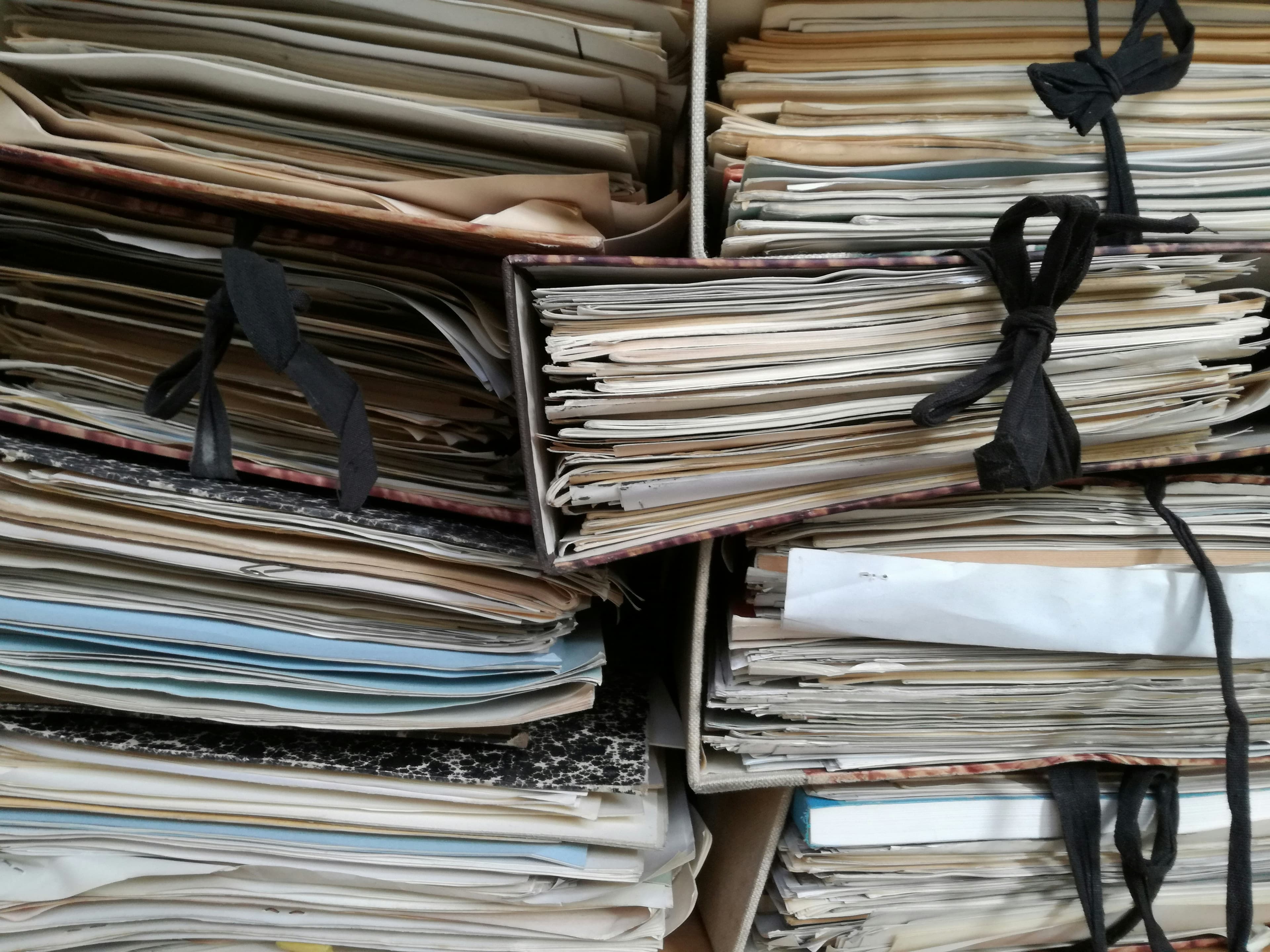
Italian Building Permits: CILA, SCIA & Permesso
A clear guide to Italian building permits: how edilizia libera, CILA, SCIA, Super SCIA and the permesso di costruire differ, plus timelines and amnesties.
July 15, 2026 · 14 min read
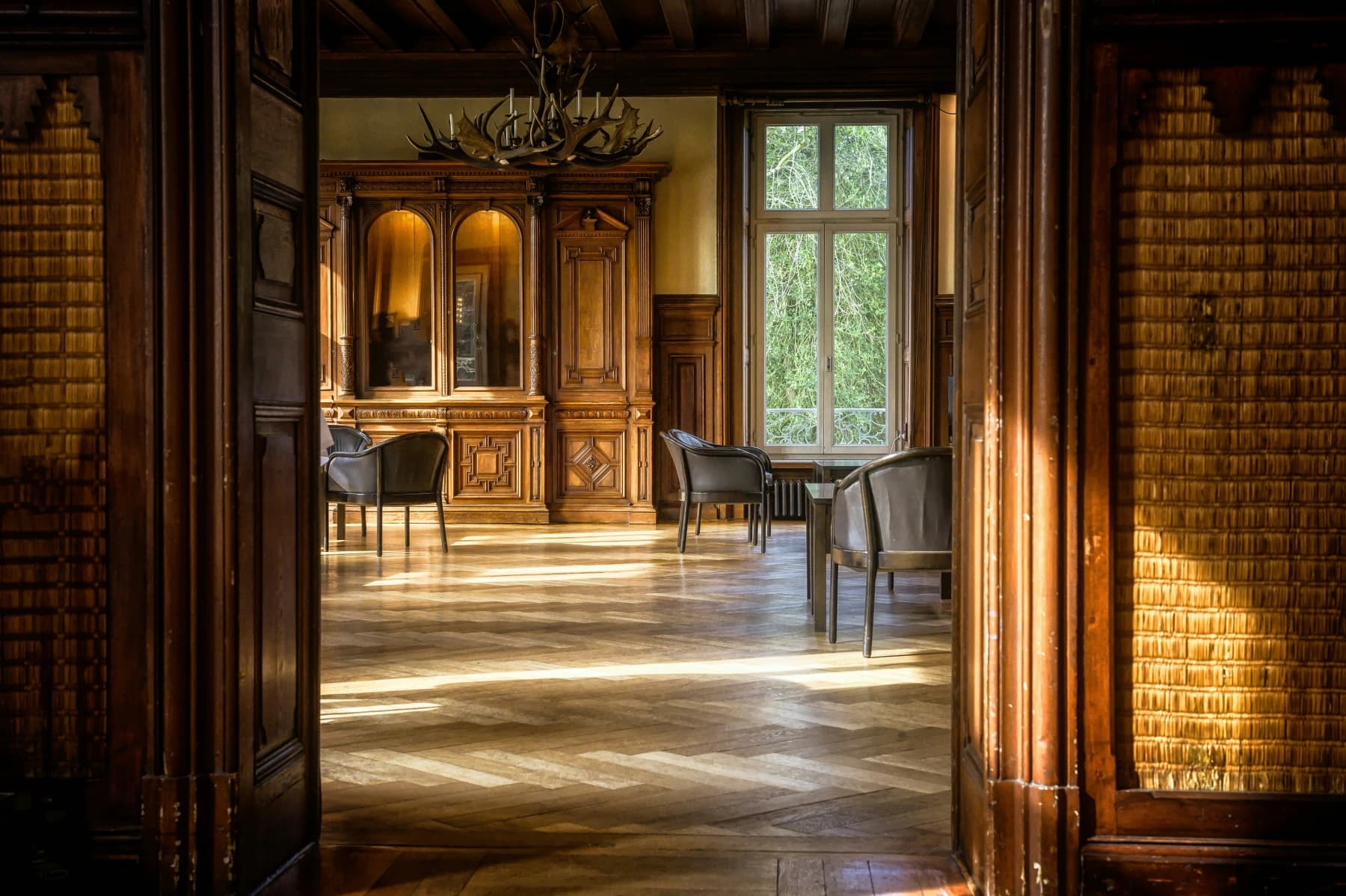
Apartments in Central Rome: A Renovation & Design Guide
Heritage rules, light, and compact layouts: how to design and renovate an apartment in central Rome.
June 21, 2026 · 8 min read
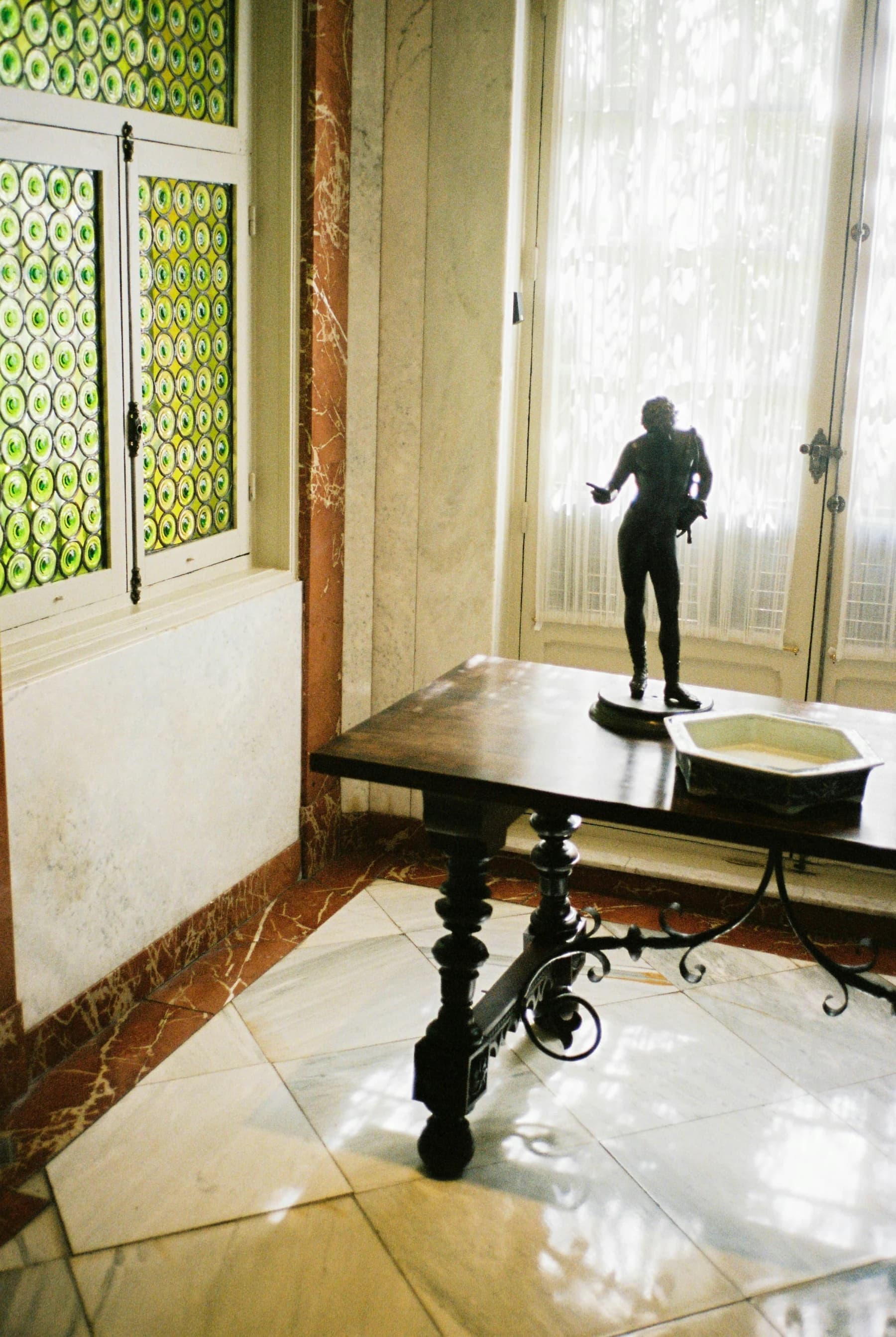
Renovating a Historic Italian Apartment Without Losing Its Soul
Preserve original moldings, doors, and floors while making the home livable — a design guide to historic apartments.
June 14, 2026 · 8 min read
Ready to start your Italian project?
Whether you are buying, renovating, or furnishing, ATRIA guides you every step with a bilingual team on the ground.
Request a consultation