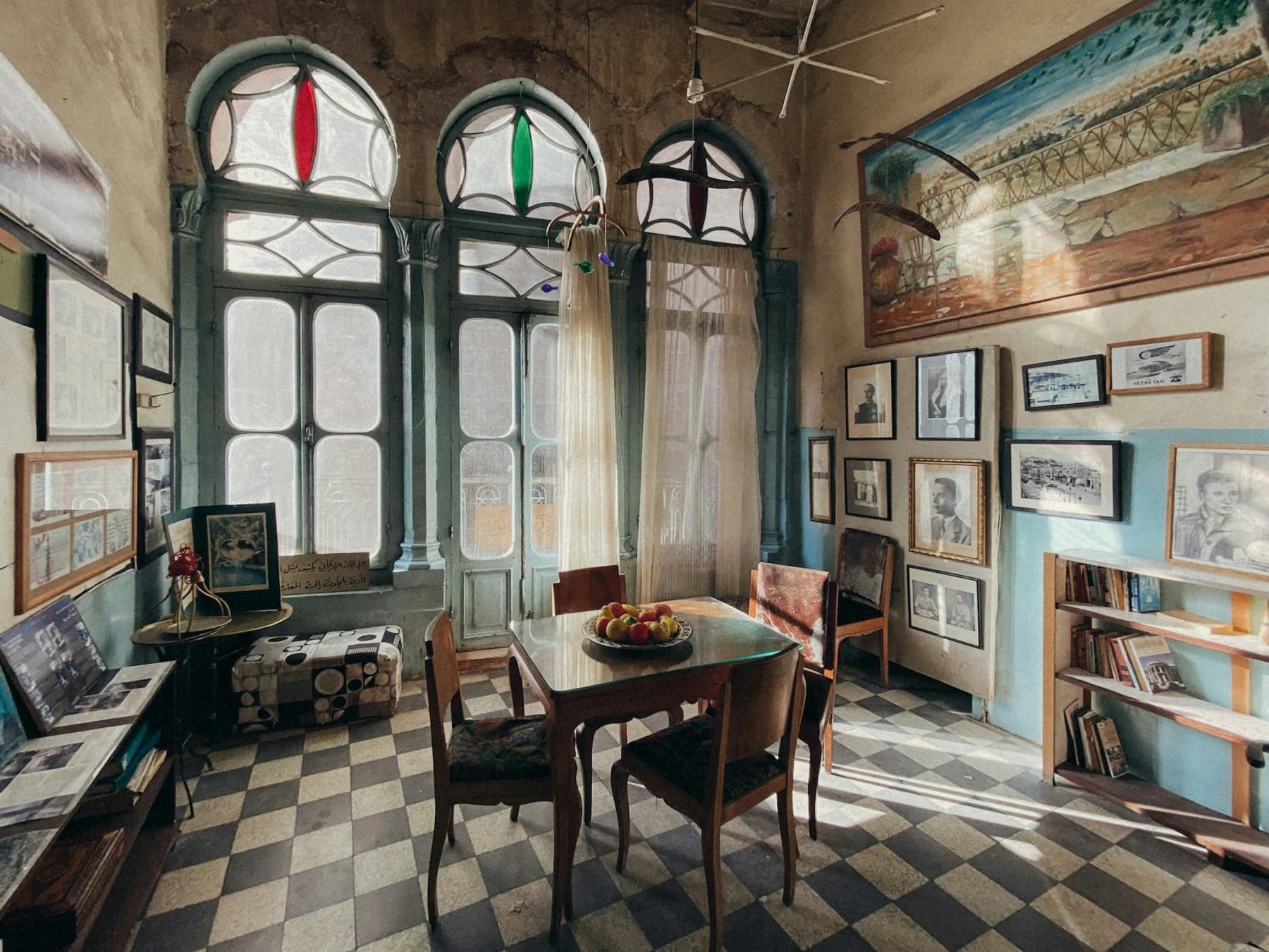
Five Italian Design Styles and How to Bring Them Home

Paola Colonna
Interior Designer
June 15, 2026 · 2 min read
Italy is not one aesthetic. A Roman palazzo apartment, a Tuscan casale, and a Milanese loft each speak a different design language. Understanding these traditions helps you make confident choices — whether you are furnishing a property in Italy or bringing Italian sensibility to a home abroad.
1. Roman Classicism
Think travertine, stucco walls, herringbone parquet, and restrained symmetry. Colors stay warm and mineral: ivory, terracotta, soft gold accents.
Key materials: Travertine, marble, lime plaster, antique gilt mirrors
Where it works: Formal living rooms, entry halls, dining rooms with architectural moldings
2. Tuscan Country
Rough-hewn beams, stone floors, linen upholstery, and ceramics from local artisans. The palette pulls from the landscape: sage, ochre, warm white, ruby accents in textiles.
Key materials: Cotto tile, reclaimed wood, wrought iron, hand-painted ceramics
Where it works: Farmhouses, kitchen-family rooms, covered terraces
3. Venetian Elegance
Venice favors drama: jewel tones, mirrored surfaces, Murano glass, and brocade. It is the most opulent of Italian regional styles — best used with restraint in a single room.
Key materials: Velvet, glass, parquet a battuta, ornate lighting
Where it works: Bedrooms, studies, formal salons
4. Sicilian Baroque
Layered patterns, painted tiles (maiolica), carved wood, and courtyard living. Colors are saturated: deep blues, sun-bleached yellows, terracotta rose.
Key materials: Decorative tile, cane furniture, linen, terracotta pots
Where it works: Kitchens, loggias, outdoor dining areas
5. Milanese Modern
Italy's design capital favors clean lines, iconic mid-century pieces, and a neutral base with one bold sculptural element. Less ornament, more proportion.
Key materials: Polished concrete, lacquer, leather, statement lighting
Where it works: Urban apartments, open-plan living, home offices
How to mix without clutter
The Italian approach is curatorial, not maximalist. Choose one dominant style, borrow one accent from a second, and stop.
Three rules we use at ATRIA:
- Anchor with architecture — let moldings, floors, and windows dictate formality
- Invest in fewer, better pieces — one Cassina chair beats six generic copies
- Use color in textiles, not walls — easier to evolve and less risky for resale
Let's talk about your project — the first consultation is free.
Request a free consultationWork with ATRIA on your interior vision
Whether you are starting from an empty palazzo room or refreshing a US home with Italian character, we source materials, coordinate artisans, and manage installation — in Italy or abroad.
About the author

Paola Colonna
Interior Designer
Paola founded ATRIA from a passion for harmonious spaces. She leads interior design with a careful, personalized approach to materials, fabrics, and Italian craftsmanship.
Related articles
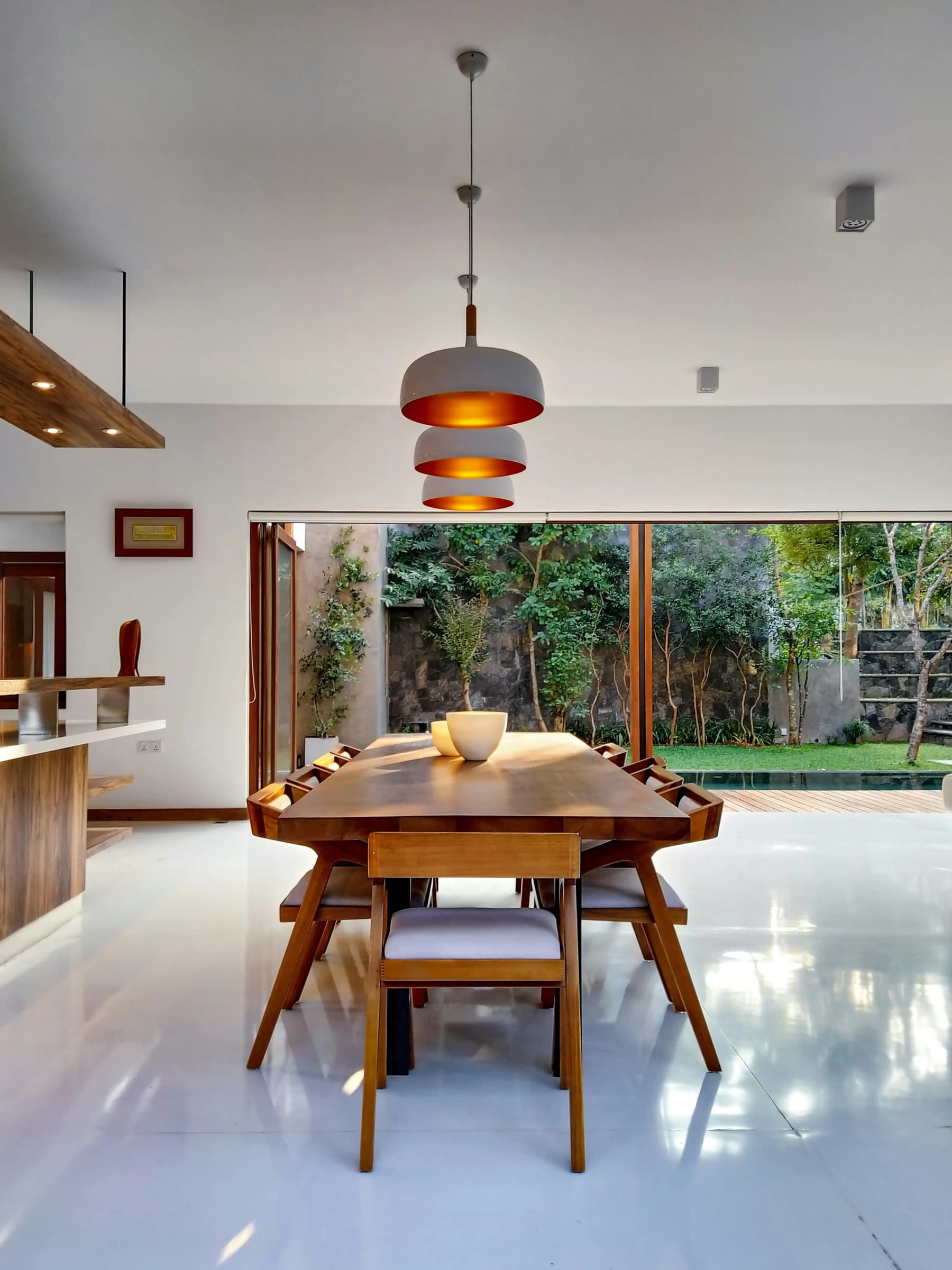
From Dream Home to Ideal Home
The dream home is an image; the ideal home is an answer. How to move from one to the other without losing beauty along the way.
June 30, 2026 · 13 min read
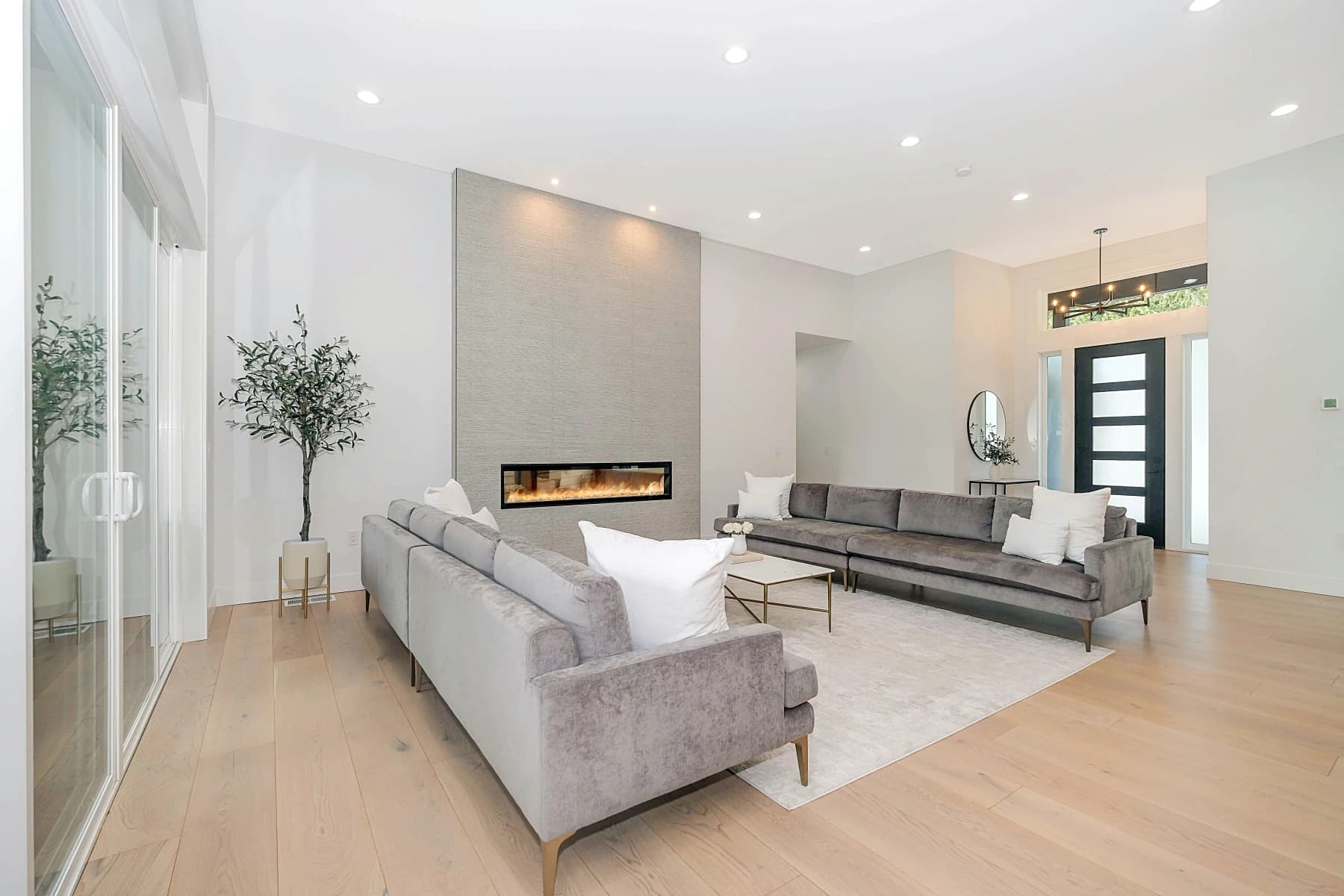
A Home's Flaws and Strengths: Reading Them Like a Designer
Low ceilings, dark rooms, awkward columns: how to turn a home's flaws into character.
June 7, 2026 · 8 min read
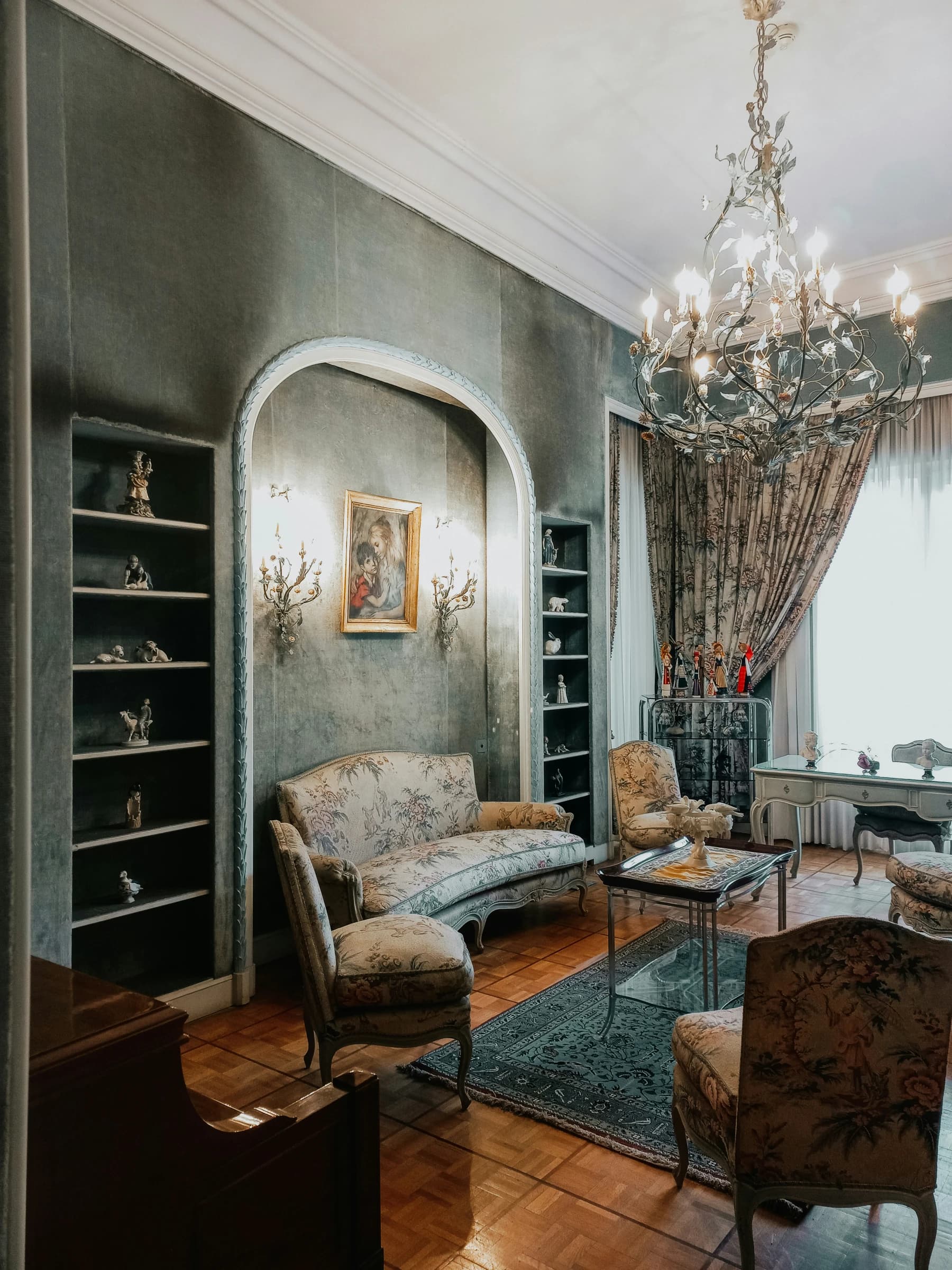
Home Lighting Design: A Practical Guide to Lighting Well
Layered lighting, warm light, and the right fixtures room by room: how to make every space inviting with light.
May 3, 2026 · 8 min read
Ready to start your Italian project?
Whether you are buying, renovating, or furnishing, ATRIA guides you every step with a bilingual team on the ground.
Request a consultation