From Dream Home to Ideal Home

Paola Colonna
Interior Designer
June 30, 2026 · 13 min read
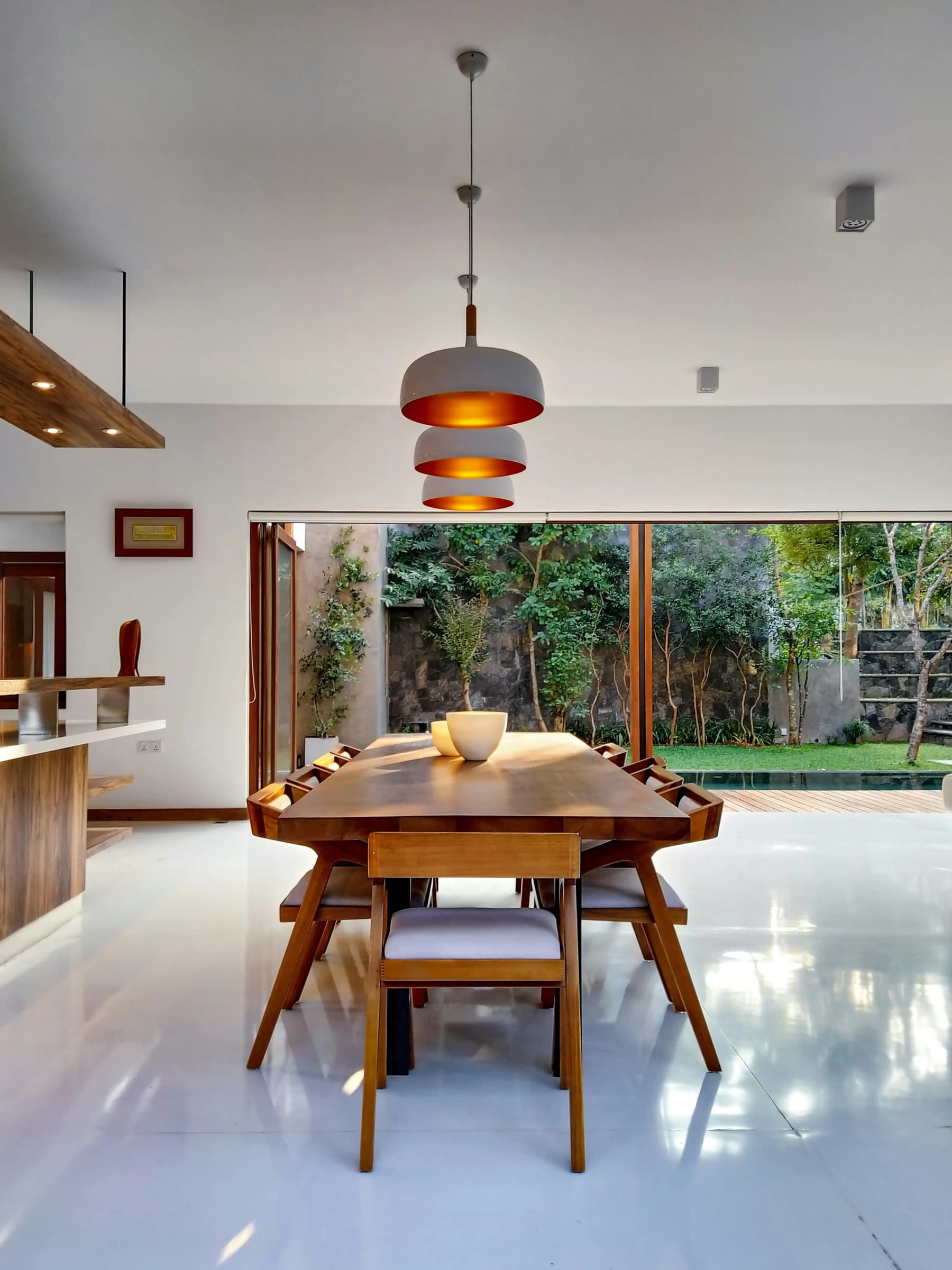
There is a moment, at the start of almost every project, when a client shows me their images: a kitchen with a marble island, a bathroom with a freestanding tub in front of the window, a double-height living room with a fireplace and floor-to-ceiling bookshelves. They are images collected over years from magazines, Pinterest, homes seen on trips or at friends' houses. This is the dream home: sharp, seductive, perfect.
And then there is the real home. The one you own or are about to buy, with its exact square meters, its orientation, the floor plan you cannot fully change. And the people who will live inside it: how many they are, what hours they keep, how they cook, whether they have children, pets, a hobby that takes up space.
A large part of my work is helping people move from the first scenario to the second. Not because the dream is wrong — it is raw material, and it should be listened to — but because the dream home and the ideal home are two different things, and confusing them is the most common and most expensive mistake you can make when furnishing or renovating. The dream home is an image. The ideal home is an answer: the right answer to the question "how do I actually want to live, in this space, with these people, at this stage of my life?"
In this article I explain the difference between the two, why they almost never align, how the dream can actually undermine the ideal home, and how — concretely — to translate one into the other without losing beauty along the way. Because the goal is not to give up the dream. It is to make it livable.
What the dream home really is
The dream home is made of images, and images have no life in them. That marble kitchen in the photograph has never hosted a dinner for eight with children running around; it does not show where towels are hung, what it costs to heat a double-height ceiling. That is not a flaw in images: it is their nature. A beautiful interior photograph is built to look beautiful in an instant, not to be lived in for ten years — styled, lit, emptied of everything ordinary. The charm is real, but it is the charm of a promise, not of a life.
The dream home is also almost always assembled from pieces taken from different contexts: that kitchen, that bathroom, that wall of books, each perfect in its original setting — different square meters, different light, different inhabitants. Putting them together in the same real house is like composing a face with one person's nose and another's eyes: every element is perfect; the whole is a monster.
And yet the dream matters: it is the emotional compass. It tells us what makes us feel good, what we are sensitive to, which atmospheres we seek. It should be listened to carefully — just not taken literally.
What the ideal home is
The ideal home is not an image: it is the point of balance between what we want and who we are, between what we like to look at and what we need in order to live. It is the home that works not in a photograph, but at seven in the evening on a Tuesday in November, when you come home tired and still have to make dinner.
It starts from questions the dream never asks.
How many people live here, and who are they. A couple without children, a family with small children, someone working from home, an older couple: these are different homes even at the same square footage. The number of people determines how many bedrooms, bathrooms, and how much storage you actually need.
How daily life unfolds. Someone who cooks every day needs real work surfaces, not a stage-set kitchen. Someone who works from home needs a corner that can hold a video call. Daily life is made of gestures repeated thousands of times — where keys are dropped, where a wet coat dries — and an ideal home has an answer for each one. A dream home does not even ask.
Real needs, distinct from desires. There is a difference between "I want a walk-in closet" and "I need space to store two people's clothes": the desire is specific and rigid, the need is general and flexible, and it can be met in many ways. Distinguishing one from the other is the first step to designing well.
How long this configuration will last. Children grow up, jobs change, parents age. A home designed only for the present ages badly; an ideal home has flexibility built in.
The ideal home is not less beautiful than the dream home: it is beautiful in a different way, a beauty that holds up to use and improves with living in it.
Why the two almost never align
If the two images matched spontaneously, my profession would not exist. They do not, for precise reasons.
The dream ignores constraints; reality does not. The dream does not know square meters, orientation, ceiling height, load-bearing walls, flues, budget: reality is made exactly of these. Every dreamed element has a cost in space, money, or function that the dream does not account for.
The dream is static; life is dynamic. The dreamed image is frozen in a perfect instant; real life brings people, objects, disorder, change. A home that only works when empty and tidy is not an ideal home: it is a photo set.
The dream is made of single objects; the home is a system. Every choice conditions the others. The dark floor I love in a photograph, in a room with little light, turns it into a cave; the beautiful open kitchen, in a small home, fills the living room with cooking smells. None of these is a flaw in itself: it becomes one in the wrong system. Incompatibilities do not emerge when you look at pieces separately, but when you compose them.
The dream is influenced; reality is personal. Many images we call "our dreams" are trends absorbed by contagion, not authentic desires. The ideal home, instead, depends on how this family lives, not on how people live in a magazine.
The dream speaks the language of aesthetics and emotion; the real home speaks the language of space, light, and structure. The project is the translator between the two.
How the dream can work against the ideal home
The dream home is not only different from the ideal home: it often pushes back against it. Attachment to an image can sabotage the building of the home that would actually work.
It fixes the solution before the problem. Someone arrives with a precise idea — "I want a kitchen island" — and has already decided the answer without having asked the question. I have seen people squeeze an island into kitchens that were too small, reducing work space to a few centimeters, only because the island was in the dream: a peninsula would have been more functional, but it was not in the photograph.
It misallocates the budget. Every budget is finite. When a large share goes to a dreamed but barely useful element — the tub used twice a year, the precious marble that needs constant maintenance — there is less left for what truly improves daily life: lighting, storage, durable materials, a floor plan that works.
It creates frustration or paralysis. Someone who constantly compares the real home to the dreamed image lives in permanent deficit: chronic dissatisfaction, or paralysis, because every real choice feels like a betrayal of the ideal.
It imposes a style that is not yours. You dream of a Scandinavian home in a Roman period apartment with frescoed ceilings, or an industrial loft in a late-19th-century palazzo. Chasing a style foreign to the building's character means fighting it instead of enhancing it — and the building always wins.
It makes you undervalue what you actually have. Focused on what the home lacks, you stop seeing what it truly offers: high ceilings, original stucco, a period floor. On how to read and enhance what a home offers, I wrote in a home's flaws and strengths — the opposite exercise to chasing an image.
In short: if the dream is not put in its place, it becomes a measuring stick that makes the real home always seem insufficient. The first task, even before designing, is to resize its role — not to extinguish it, but to use it well.
Why the distinction matters
Keeping the dream home and the ideal home separate has enormous practical consequences.
You decide better. Knowing the dream is an emotional compass and not a project, you use it for what it is good at — understanding what you like — and let real questions guide decisions.
You spend better. Distinguishing desire from need lets you put the budget where it counts: which dreamed elements are worth building, and which can be let go. Good allocation is almost always the difference between a home that works and one that disappoints — and renovation costs are managed much better when you know what is essential.
You live more peacefully. A home designed around real life gives growing satisfaction: it improves with use, because it was meant to be lived in. A home designed around the dream often gives decreasing satisfaction: beautiful on day one, more uncomfortable as real life fills it. The difference is measured exactly here: a home to look at versus a home to inhabit.
You value what you have. Stopping the comparison with an unreachable ideal finally lets you see your home for what it is — with its unique strengths, its constraints, its character. And a home seen this way is much easier to design than one always judged as lacking.
Translating the dream: from desire to need
How do you do it, in practice? The method I use with clients is translation: for every element of the dream, I trace back to the need underneath. The need can be met in many ways; the desire pursued literally often runs into reality.
Dream: the walk-in closet. Real need: organized space for clothes. In a large home the closet is perfect; in a medium-sized one it often steals precious square meters from the bedroom, and a well-designed full-wall wardrobe holds more while taking up less.
Dream: the bathroom with double vanity. Real need: not getting in each other's way in the morning. The double vanity is one answer; two smaller bathrooms is another, often better for a family because it also solves the occupied shower problem. The right question is not "double vanity or not?" but "what is the real bottleneck of our mornings?"
Dream: marble everywhere. Real need: beautiful, material surfaces. Marble is splendid but alive: it stains, it dulls. In a family with children, stone-effect porcelain gives the same atmosphere without the anxiety.
Dream: the professional open kitchen. Real need: it depends on who cooks. For someone who cooks a lot it is the right investment; for someone who cooks little it is expensive scenery — better a larger day zone and an essential kitchen.
It is not about giving up, but about always asking: what do I really want, beneath this image? Almost always, beneath the image there is a need the real home can satisfy very well — perhaps in a different way, and sometimes even better than the one dreamed.
Realistic expectations (which do not mean giving up on beauty)
"Realistic expectations" sounds like resignation. It is not: it means seeking the maximum of beauty and function within what the real home allows — a maximum almost always higher than you think.
Accept constraints and work inside them. Ceilings, load-bearing walls, orientation, budget are not the enemy of the project: they are its structure. The most successful projects come from accepting a constraint and turning it into character — a column becoming a bookshelf, a dark room becoming a cozy study. On this, difficult floor plans and colors for a dark home tell many real cases.
Understand that every choice is a trade-off. Space is finite: every meter given to one function is taken from another. A larger living room costs the terrace; the walk-in closet costs the larger bedroom. Realistic expectations mean choosing consciously, instead of demanding everything and ending up with a congested home.
Distinguish "wow" from "good". The homes most beautiful to live in are rarely the most spectacular to photograph. An ideal home can have one or two "wow" moments — that is fine — but it is built mainly on "good": the right light, the right materials, enough space.
Give the home time. An ideal home is not perfect on moving day: it settles with use. You understand where you really need a light, which room you use most, what should be moved. Realistic expectations also mean leaving margin, not filling everything at once, letting the home reveal how it wants to be lived in.
Accept that the home changes with you. Today's ideal home is not the one ten years from now: children grow, work changes, needs transform. A good home is designed to evolve — rooms that change function, furniture that adapts, choices that do not freeze the future. The ideal is not a fixed point to reach once and for all: it is a balance that renews.
Realistic expectations are not an invitation to settle. They are an invitation to be ambitious in the right way: to demand the most from the home you have, instead of suffering for the home you will never have.
From dream to ideal home, in practice
The path, in a few steps: start from the dream and take it seriously — the images, the atmospheres, the elements that recur are raw material; they say what makes you feel good. Then ask the questions the dream does not ask: who lives here, how, with what real needs. Translate every desire into the need beneath it, and look for the best answer in this home, with its constraints and its strengths. Allocate the budget on substance, allowing yourself one or two moments of pure pleasure. And accept that the home is a living system that will change with those who inhabit it.
The result is not a home less beautiful than the dream: it is a more true home, one that holds up to use, improves with living in it, resembles the people inside it instead of a photograph. The dream remains — as compass, as pleasure, as inspiration. But at the center, finally, is the ideal home: the right one for you.
If you are looking at your images and do not know how to translate them into the home you have or are about to buy, that is exactly the moment when an outside eye helps most. Tell us how you live, show us what you dream: our work is to bring the two together.
Let's talk about your project — the first consultation is free.
Request a free consultationAbout the author

Paola Colonna
Interior Designer
Paola founded ATRIA from a passion for harmonious spaces. She leads interior design with a careful, personalized approach to materials, fabrics, and Italian craftsmanship.
Related articles
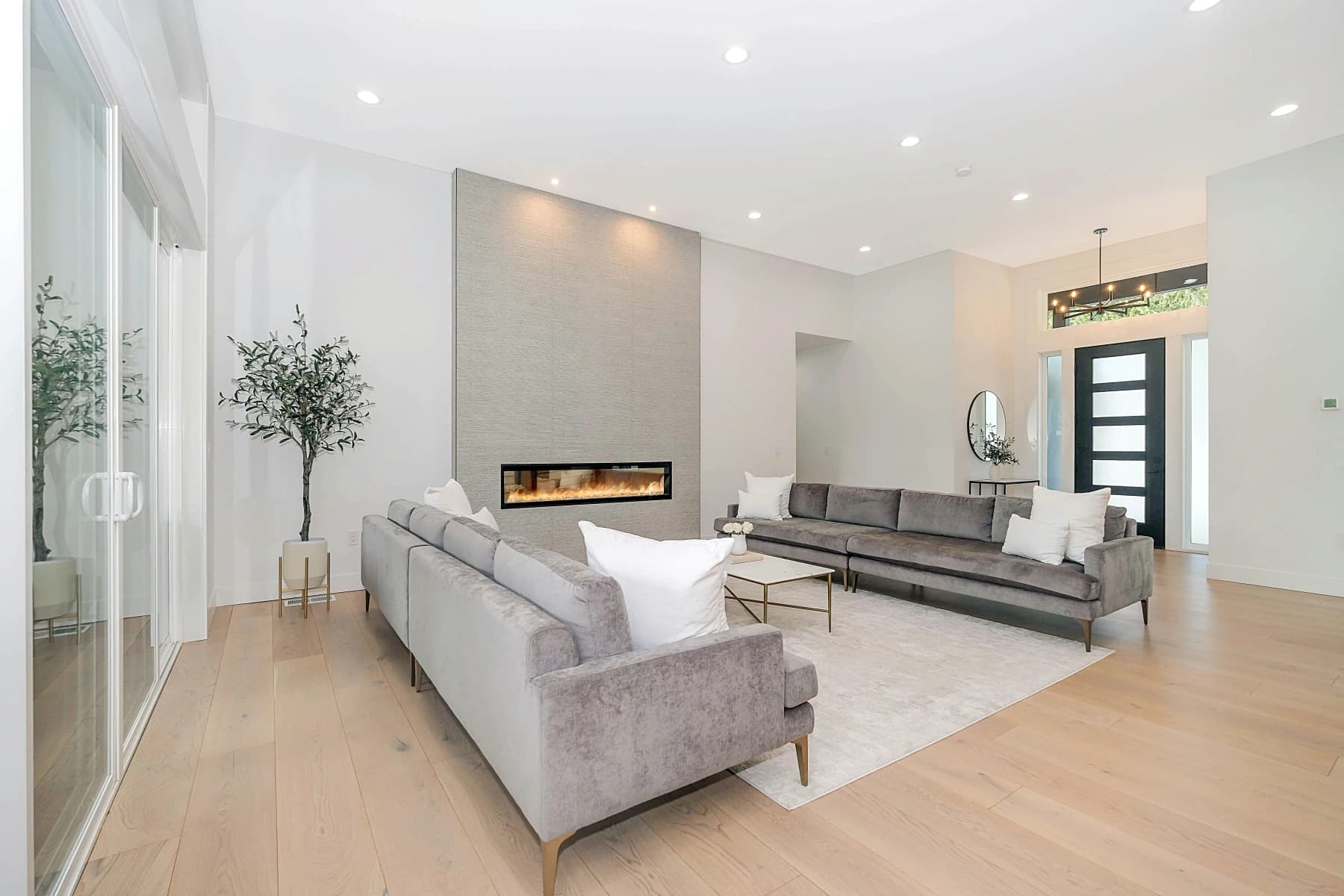
A Home's Flaws and Strengths: Reading Them Like a Designer
Low ceilings, dark rooms, awkward columns: how to turn a home's flaws into character.
June 7, 2026 · 8 min read
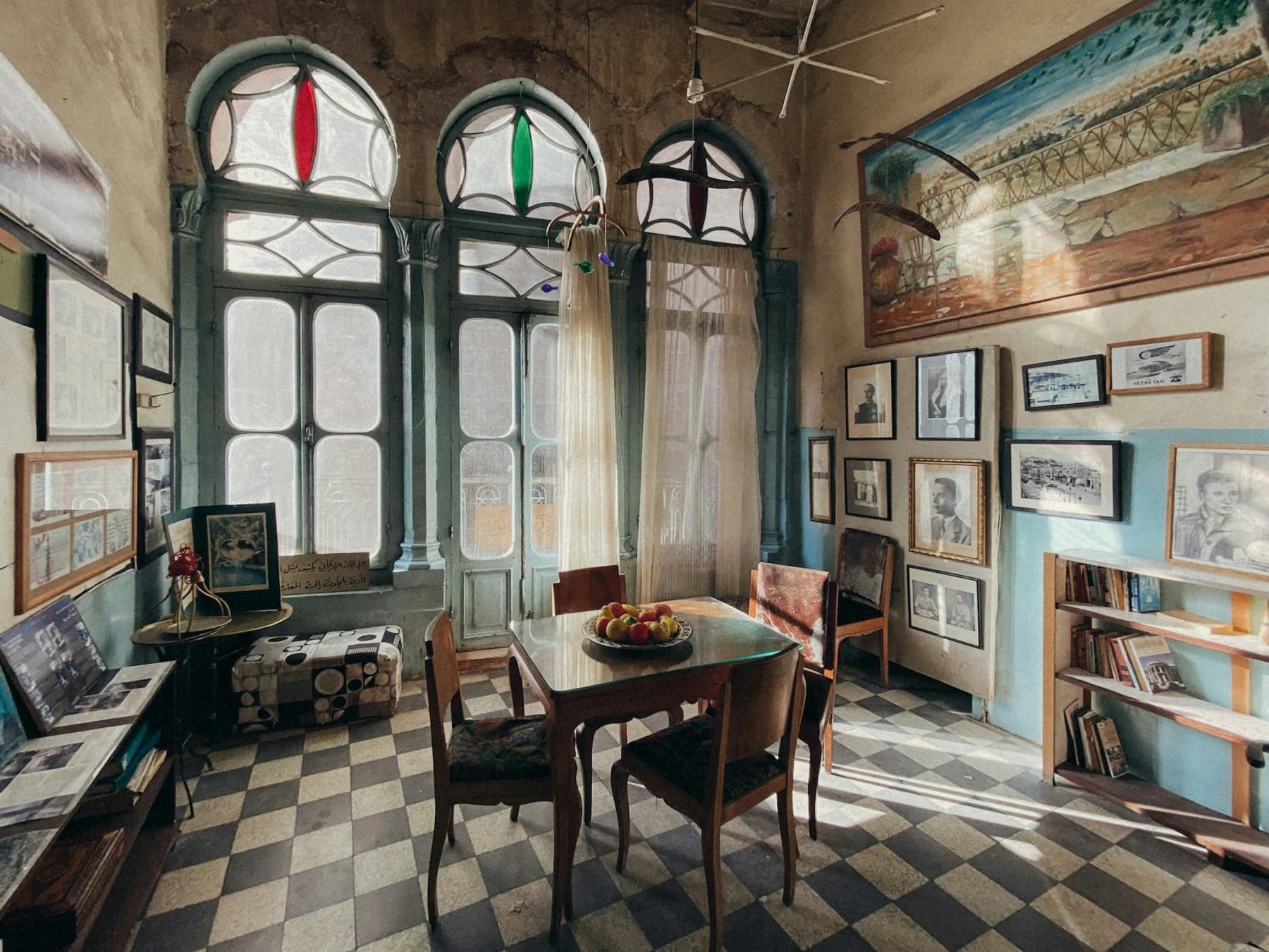
Five Italian Design Styles and How to Bring Them Home
From Roman classicism to Sicilian baroque — five distinct Italian aesthetics and the palettes that define them.
June 15, 2026 · 2 min read
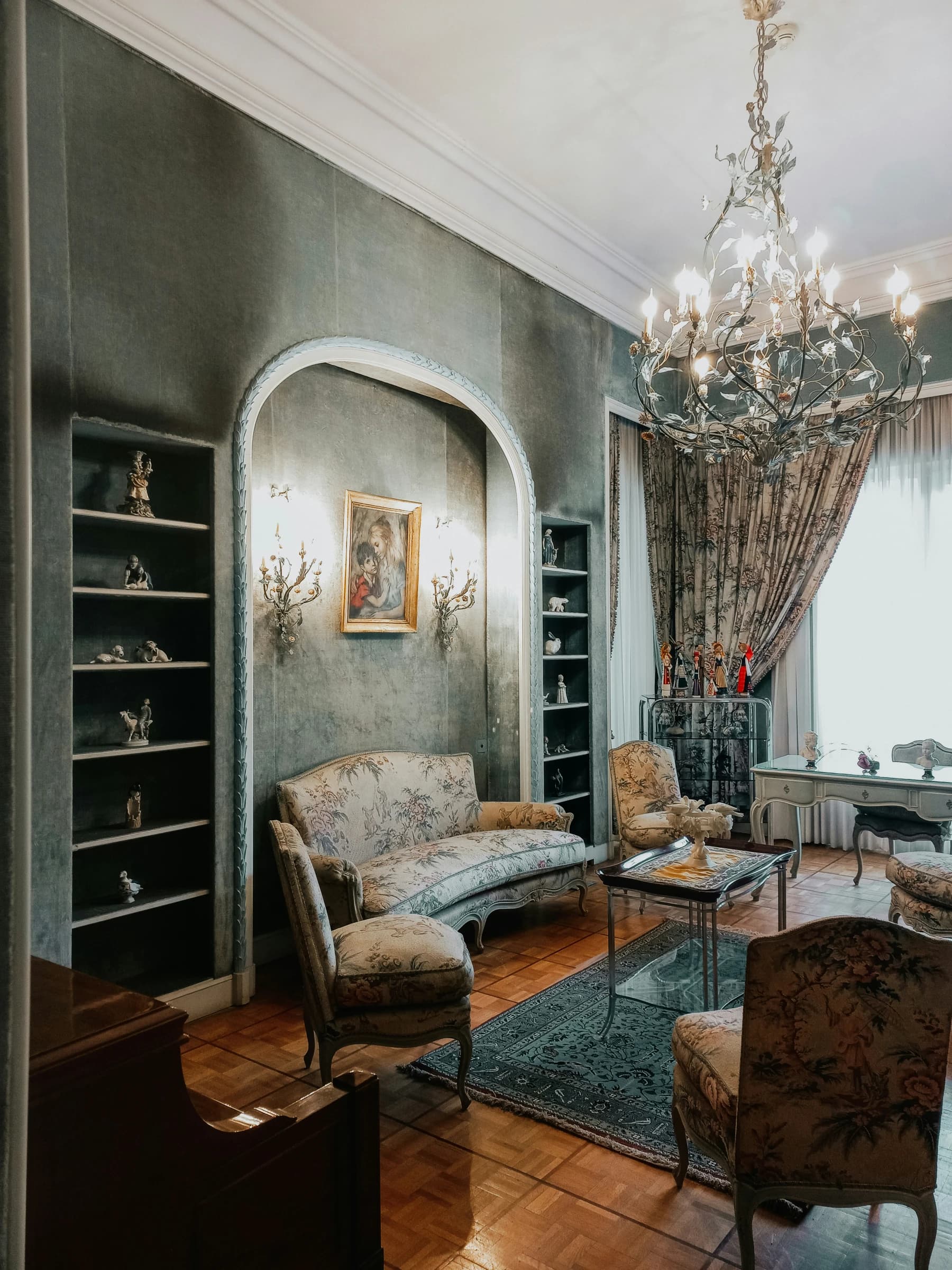
Home Lighting Design: A Practical Guide to Lighting Well
Layered lighting, warm light, and the right fixtures room by room: how to make every space inviting with light.
May 3, 2026 · 8 min read
Ready to start your Italian project?
Whether you are buying, renovating, or furnishing, ATRIA guides you every step with a bilingual team on the ground.
Request a consultation