Home Lighting Design: A Practical Guide to Lighting Well

Paola Colonna
Interior Designer
May 3, 2026 · 8 min read
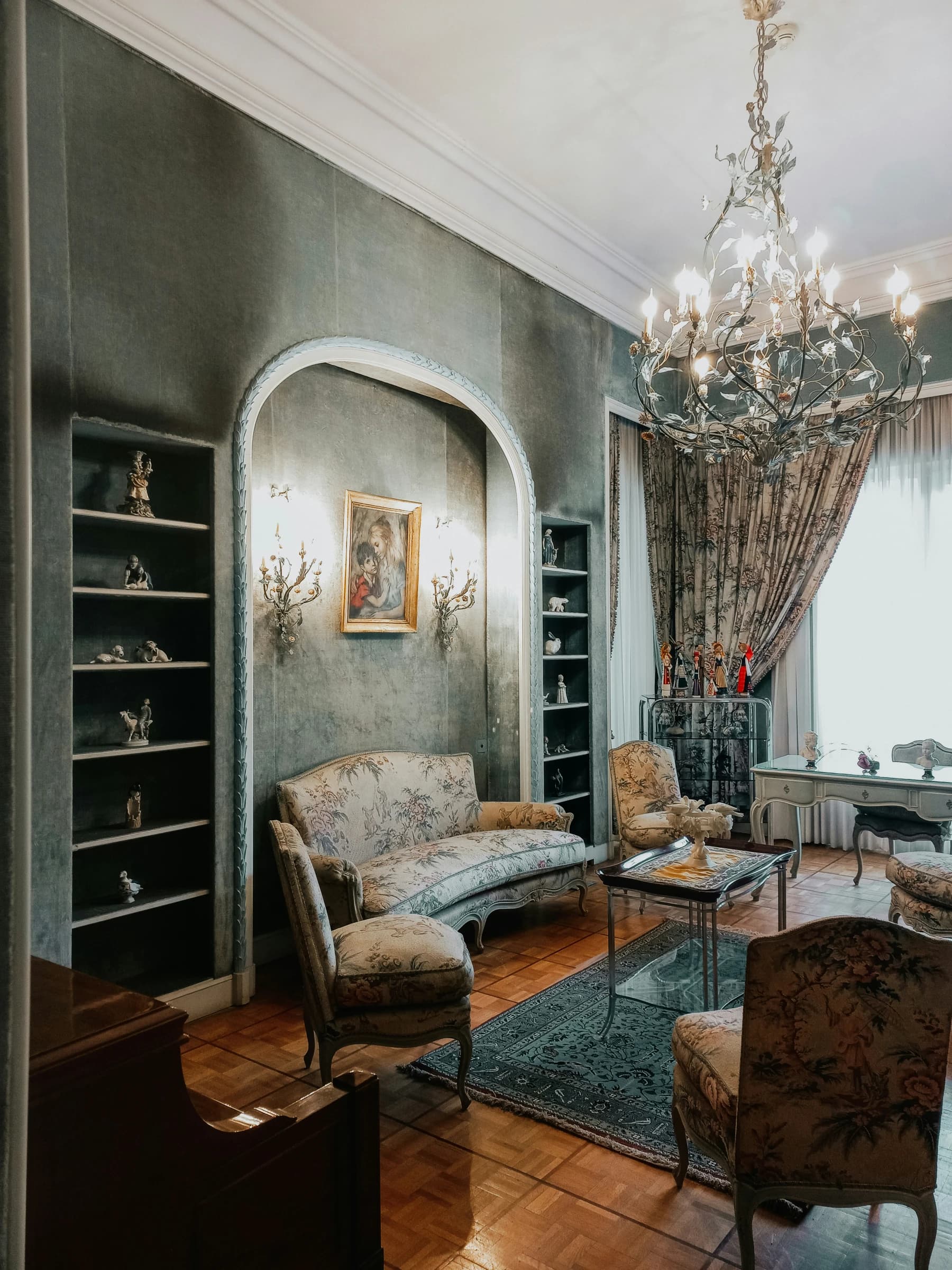
When I walk into a newly renovated apartment, the first thing I notice is never the floors or the wall color — it's the light. A single ceiling fixture, even a beautiful one, flattens a room and makes it feel cold, regardless of how much was spent on everything else. And yet lighting is almost always the last detail people think about, and the first they cut when costs rise.
That is a mistake. Light is the least expensive material you have to transform a room's atmosphere. In my projects, I give lighting as much attention as I give finishes and colors: all three work as a system, and if one is wrong, the others cannot compensate.
This guide walks through the principles I use every day: the three layers of light, color temperature, and how to apply both room by room.
The Three Layers of Light
The most common lighting mistake at home is relying on a single source. Designers think instead in three distinct layers, each with a specific function. Used together, they create depth, warmth, and flexibility.
Ambient Light
This is the base layer — the light that lets you move through a space without tripping over furniture. It used to mean a single ceiling fixture; today it is better achieved with adjustable recessed downlights distributed across the ceiling on multiple circuits, or perimeter wall lights. The goal is not to light brightly — it is to eliminate heavy shadows and give the ceiling a soft, even glow.
A single central fixture casts strong shadows downward and leaves the room's edges in darkness. If that is what you have, adding even two wall sconces to the same room will immediately change how the space reads.
Task Light
This is direct light aimed at activities: reading, cooking, applying makeup, working at a desk. It needs to be brighter than the ambient layer and positioned so it does not cast shadows onto the work surface. Examples: undercabinet lighting in the kitchen, a reading lamp beside an armchair, spotlights above a desk, side-mounted sconces flanking a bathroom mirror — never a single light directly overhead, which throws unflattering shadows across the face.
Accent Light
This is the layer that creates atmosphere, draws the eye toward a detail, or tells something interesting about the space. A spotlight grazing an antique parquet floor, an LED strip behind a bookcase, a floor lamp beside the sofa, step lighting tracing a corridor at night. This layer is not meant to illuminate — it is meant to delight. It is the light you photograph in design hotels and want to replicate at home.
Color Temperature
Color temperature is measured in Kelvin (K) and describes how warm or cool a light source appears.
- 2700–3000 K — warm light, similar to candlelight or an incandescent bulb. Relaxing, inviting, ideal for home environments.
- 3500–4000 K — neutral light, close to filtered daylight. Common in professional kitchens and offices; in a home it feels slightly clinical.
- 5000–6500 K — cool light, similar to open-sky daylight. Useful in labs, utility bathrooms, medical settings. In a living room, it creates a supermarket effect.
For the home, my recommendation is always 2700–2900 K throughout the main living areas. This temperature makes surfaces look warmer, faces more luminous, and textiles richer. If your home feels cold or "institutional" despite new fixtures, there is a strong chance your bulbs are running at 4000 K or above — swap them first before anything else.
One more rule: keep the same temperature within each layer. Mixing a 2700 K source with a 4000 K source in the same room creates a dissonance you cannot name but that consistently disturbs. The fixtures do not need to match — the temperatures do.
Room by Room
Entry Hall
The entry is your home's first impression. A single ceiling fixture or wall sconce often falls short: add a step light at floor level, or a wash of light across an artwork or mirror. If the entry is narrow, a light aimed upward — a torchère or an uplighting sconce — makes the ceiling read higher and opens the space. Temperature: 2700 K.
Living Room
The living room benefits most from all three layers. Ambient light with dimmable adjustable spots; task light with a table or floor lamp beside the reading zone; accent light with wall sconces or TV backlighting. Avoid a single central pendant as your only source: it creates flat shadows and erases any sense of depth or intimacy.
Kitchen
The kitchen needs at least two circuits: one for general overhead lighting and one for task lighting below the upper cabinets, above the hob, and over the island or dining table. Undercabinet lighting is almost always overlooked but has the highest daily impact — without it, you cook in your own shadow. Temperature: 2700–3000 K; some prefer 3000 K over work surfaces to distinguish food colors more accurately.
Bedroom
The bedroom should be calming: no strong overhead spots aimed directly at the bed. General light can come from a soft ceiling diffuser (kept on the lower end of brightness), but bedside lamps with dimmers are essential. Add, if possible, interior or overhead wardrobe lighting and a soft, low-lumen nightlight for middle-of-the-night navigation. Temperature: 2700 K throughout.
Bathroom
The bathroom requires effective task lighting. The classic mistake is a ceiling fixture or light above the mirror: both cast harsh downward shadows and make grooming and makeup nearly impossible. Side-mounted sconces flanking the mirror at roughly 60 inches from the floor illuminate the face evenly — this single change transforms bathroom usability. Add a dimmable ceiling fixture for general light, and optionally a separate dimmed circuit for a relaxing atmosphere. Temperature: 3000 K at the mirror zone, 2700 K elsewhere.
Reading Corner
A floor lamp beside a reading chair is not quite enough on its own: the source should be positioned slightly behind and above your shoulder, not in front of your eyes. A floor lamp with an adjustable arm, or a wall-mounted swing-arm light, are the best solutions. Aim for at least 400 lumens directed at the page. Temperature: 2700–3000 K.
Light and Color Working Together
Light does not exist independently of wall color — it transforms it. A beige wall at 2700 K turns honey-gold; the same wall at 4000 K turns gray. Glossy surfaces (lacquer, mirrors, marble) multiply light; matte ones (lime plaster, linen, raw wood) absorb and diffuse it softly.
In my projects, I never finalize a wall color without first deciding on the temperature and type of light sources. If you are choosing colors for your home, I recommend reading colors for a small home and colors for a dark room alongside this guide: light and color are one system, not two separate decisions.
Lighting Tricky Spaces
Dark or Internal Rooms
A room without natural light, or with small windows, benefits from multiple low sources that mimic lateral daylight: floor lamps, wall sconces, backlit shelving. Ceiling spots aimed at the walls rather than straight down create a glow that reads as diffused brightness. Grazing light across flooring is particularly effective — it adds dimension to period floors and makes even plain finishes look richer.
High Ceilings in Historic Apartments
High ceilings — typical of apartments in Italian historic centers — pull light upward and can make a room feel cavernous. Balance this with torchères and indirect sources aimed at the ceiling: the warm glow reflected back down warms and unifies the space. I explore the broader challenges of these apartments in renovating a historic apartment.
Difficult Floor Plans
In open-plan spaces or irregular layouts, use light to define zones: a pendant above the dining table, a floor lamp that anchors a conversation area in the living room, directional spots that trace a corridor. Light draws boundaries where walls do not reach. I cover this further in working with a difficult floor plan.
Common Mistakes
One central ceiling light. It is the starting point for every standard apartment — and it is rarely enough. Adding a single wall sconce to an existing scheme costs little and changes a great deal.
Mixed color temperatures. If you blend 2700 K and 4000 K sources in the same room, the result will always feel unsettled — even if you cannot say exactly why. Choose a temperature and hold to it.
No dimmers. An on/off switch forces you to choose between darkness and full brightness. A dimmer costs thirty dollars more per circuit and gives you the same room bright for dinner and intimate later in the evening. It is one of the best-value upgrades in any renovation.
Cool light in living areas. Light at 4000–6500 K drains warmth from any space, regardless of how good the furniture is. If your home feels "flat" even in the evenings, this is almost always the culprit — and the fix is simply swapping the bulbs.
Lighting only from above. Low sources — floor lamps, backlighting, step lights — add depth and warmth that ceiling fixtures alone cannot provide. A room lit only from above reads as flat; one with sources at multiple heights reads as curated and lived-in.
Lighting is often the last thought in a renovation and should be one of the first. If you are working on a home in Italy — or bringing Italian sensibility to a property abroad — and want a light plan that works with your colors, your materials, and the way you actually live, we can work through it together.
Let's talk about your project — the first consultation is free.
Request a free consultationAbout the author

Paola Colonna
Interior Designer
Paola founded ATRIA from a passion for harmonious spaces. She leads interior design with a careful, personalized approach to materials, fabrics, and Italian craftsmanship.
Related articles
From Dream Home to Ideal Home
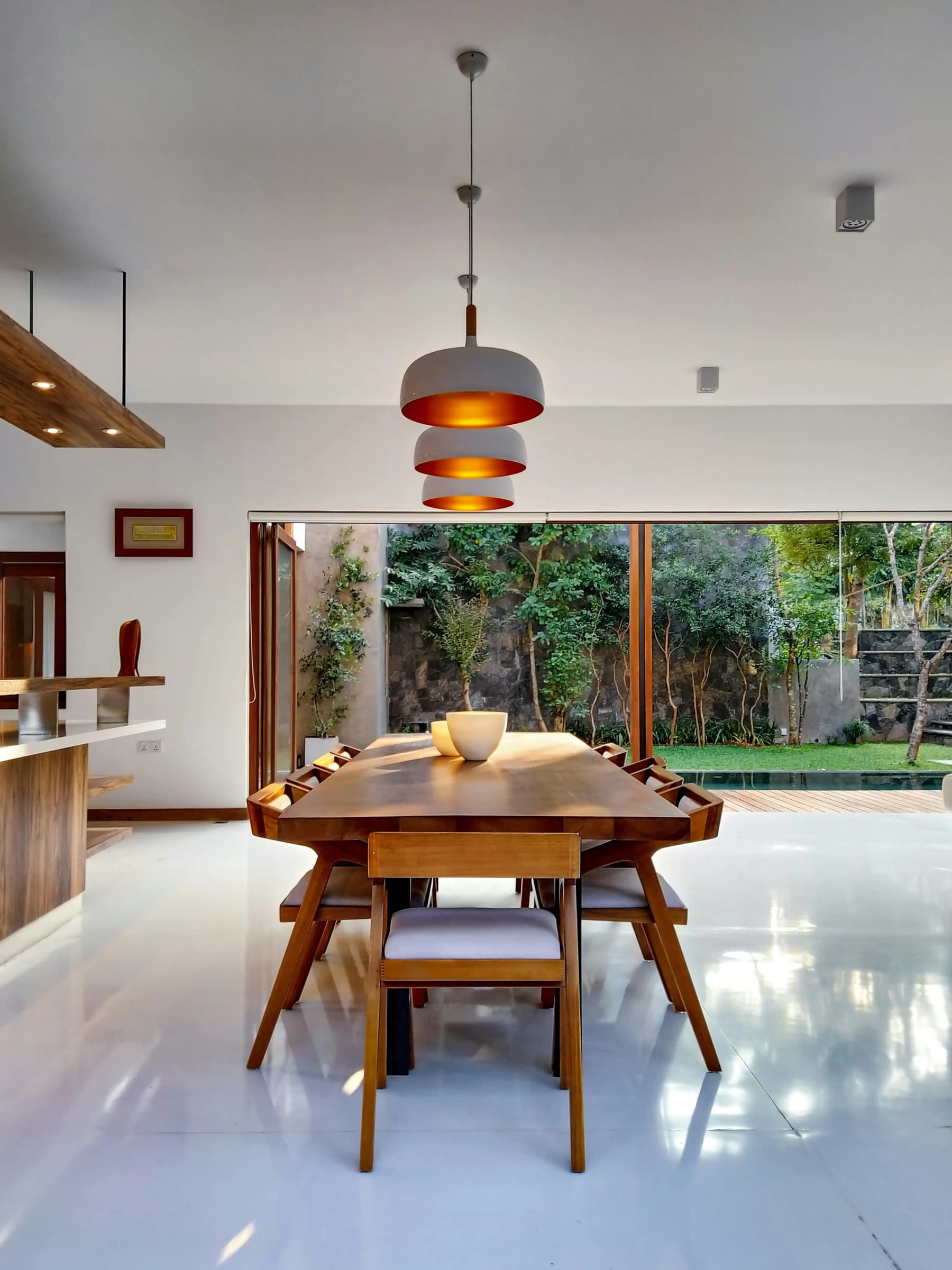
The dream home is an image; the ideal home is an answer. How to move from one to the other without losing beauty along the way.
June 30, 2026 · 13 min read
Five Italian Design Styles and How to Bring Them Home
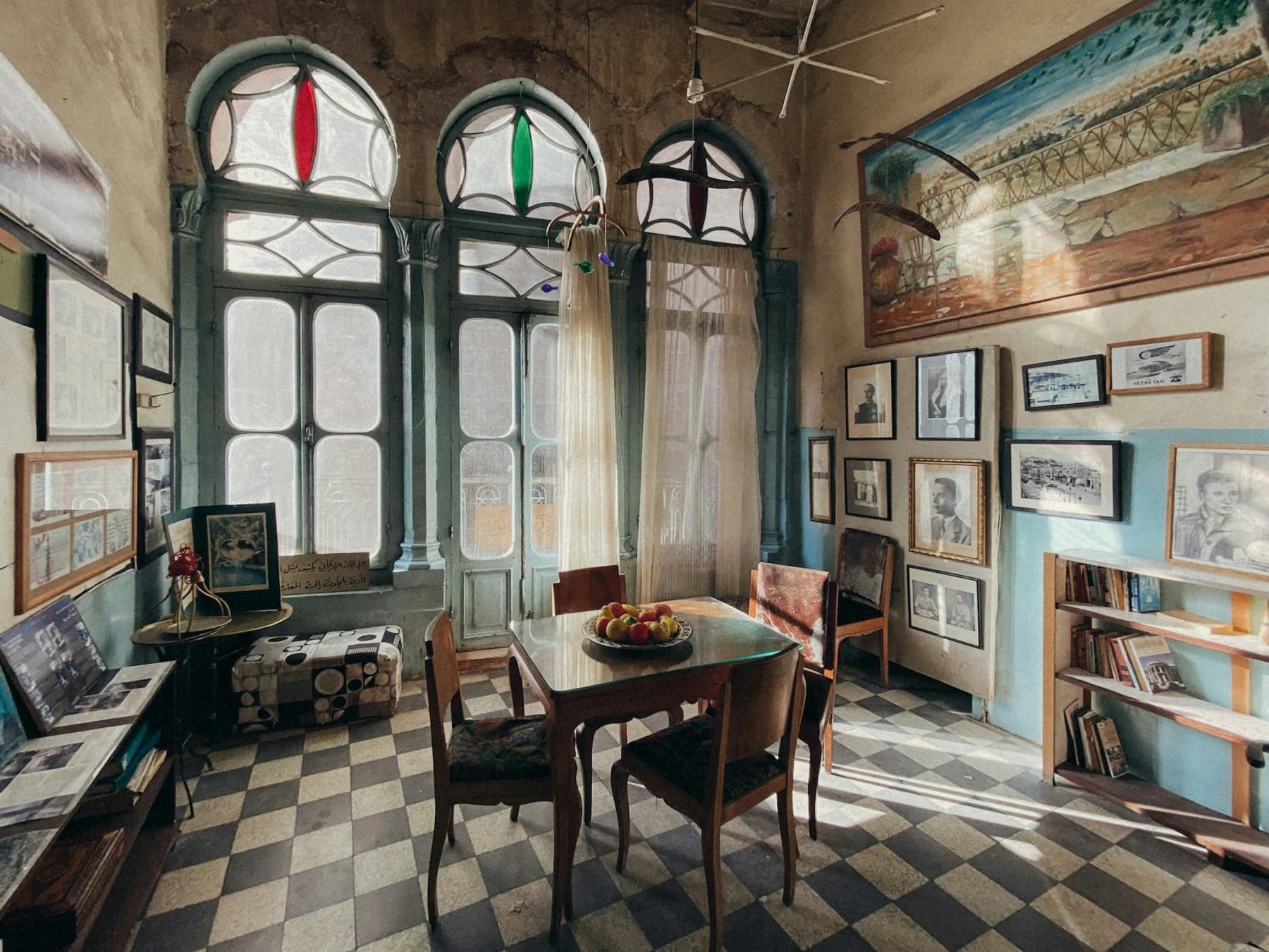
From Roman classicism to Sicilian baroque — five distinct Italian aesthetics and the palettes that define them.
June 15, 2026 · 2 min read
A Home's Flaws and Strengths: Reading Them Like a Designer
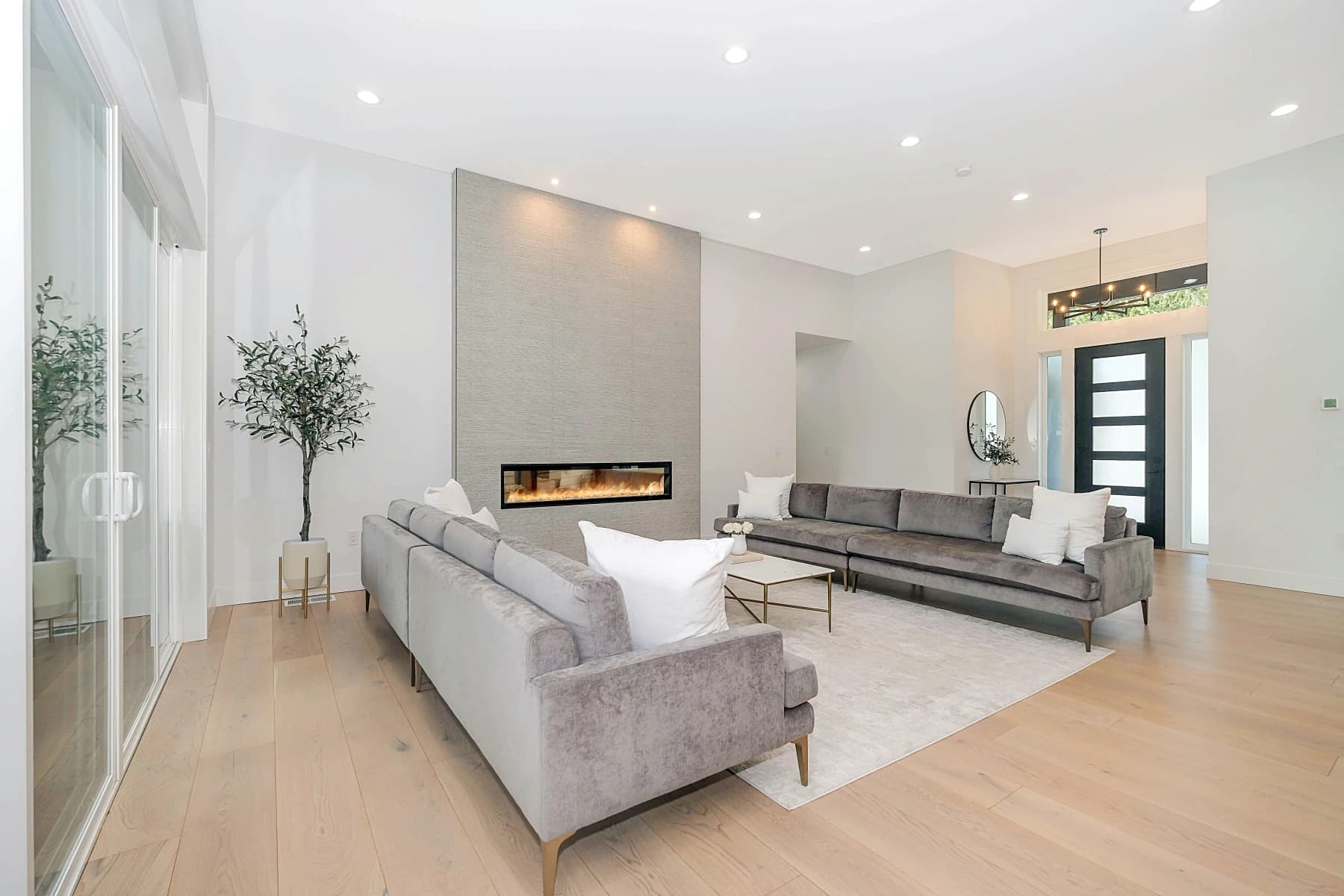
Low ceilings, dark rooms, awkward columns: how to turn a home's flaws into character.
June 7, 2026 · 8 min read
Ready to start your Italian project?
Whether you are buying, renovating, or furnishing, ATRIA guides you every step with a bilingual team on the ground.
Request a consultation