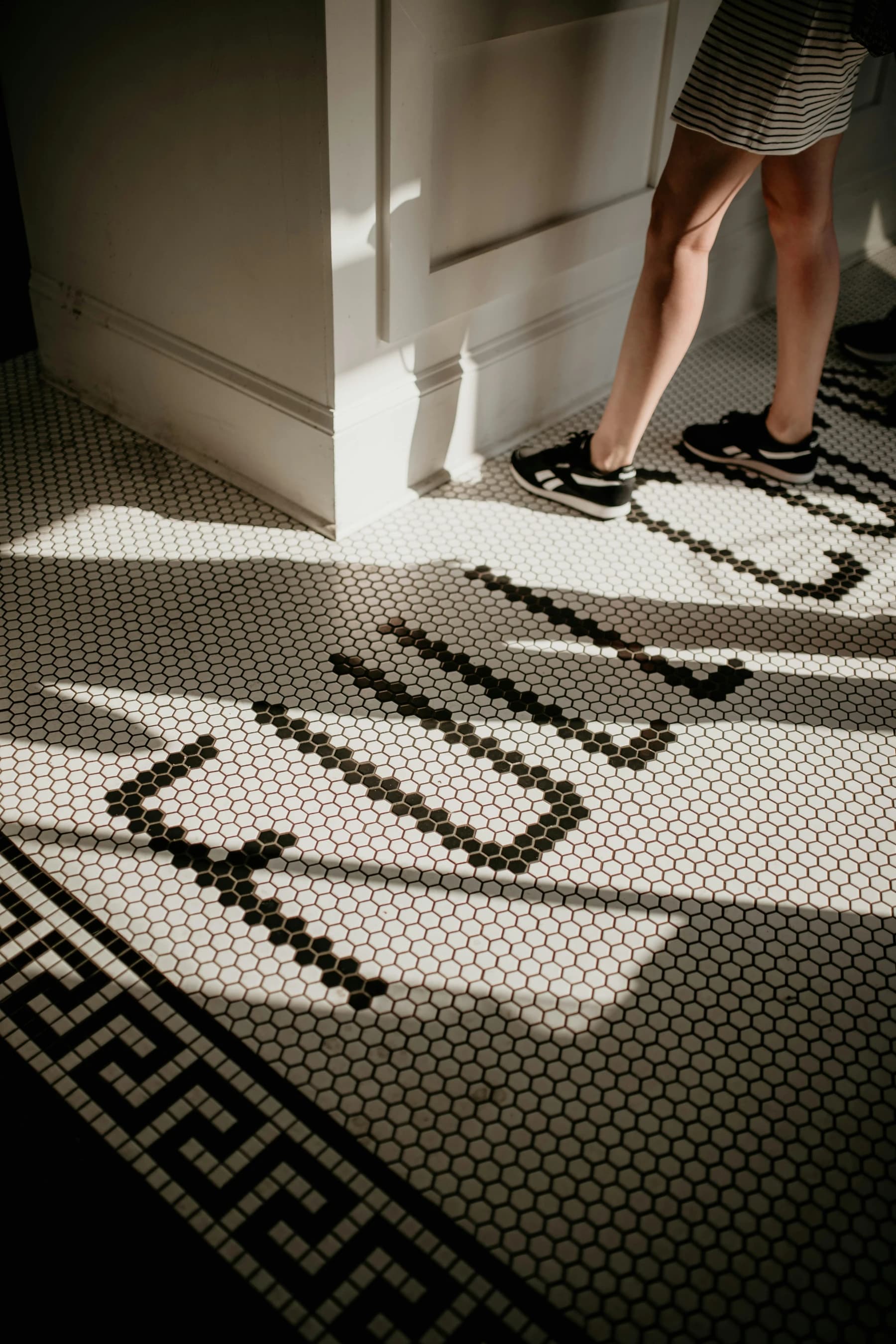
Parquet vs Tile: How to Choose the Right Floor

Paola Colonna
Interior Designer
May 20, 2026 · 6 min read
There is no universal answer to "parquet or tile?" There is the right answer for that room, that life, that home. The floor is the surface that more than any other defines a space's atmosphere — and the one decision that is hardest to undo once made.
This question comes up constantly in my projects: a Tuscan villa with original cotto that must be preserved; a Roman apartment where the client wants wood throughout; a seaside flat where practicality beats aesthetics. What follows is how I reason through it, room by room — with a clear position, not a hedge.
A note on terminology for those new to Italian interiors: when Italians say maioliche, they mean hand-painted ceramic tiles with centuries of tradition behind them — most famously from Naples, Sicily, and Vietri sul Mare. The category also includes cementine (hydraulic cement tiles, often with geometric patterns), cotto (fired terracotta), and modern gres porcellanato (porcelain stoneware). These are all members of the tile family but very different in character, cost, and decorative power.
Parquet: Pros and Cons
Parquet — in all its forms, from engineered to solid hardwood — brings something no tile can truly replicate: physical and visual warmth. Wood is soft underfoot, sound-absorbing, and has an aesthetic weight that lifts almost any room.
Advantages:
- Warm to the touch, especially in winter without underfloor heating
- Better acoustics than hard surfaces — footsteps and echoes are absorbed
- High perceived value — buyers of Italian property respond well to quality parquet
- Can be sanded and refinished two to three times over its life
- Ages beautifully with quality: gains character rather than looking worn
Disadvantages:
- Sensitive to moisture — not recommended in bathrooms, risky in kitchens
- Scratches with pets, dragged furniture, or high heels
- Requires periodic maintenance (oiling, waxing, buffing)
- Generally higher cost than standard tile
- Demanding installation: requires a level subfloor and controlled humidity during and after laying
Tiles: Pros and Cons
Italy's tile tradition is extraordinary in depth. Maioliche hand-painted in Naples or Sicily, geometric cementine from the Liberty era, contemporary porcelain stoneware, Tuscan cotto — these are very different materials in character and cost, but they share the fundamental properties of hard flooring.
Advantages:
- Water and moisture resistant — ideal for bathroom, kitchen, outdoor spaces
- Exceptional durability — historic maioliche in Italian palazzi have lasted centuries
- Hygienic: easy to clean, does not trap allergens
- Low long-term maintenance
- Infinite decorative range, especially in handmade Italian ceramics
- Compatible with underfloor heating
Disadvantages:
- Cold and hard underfoot — less comfortable, especially in winter
- Acoustically lively — footsteps and voices echo more
- More complex installation than pre-finished parquet
- Hand-painted maioliche carry a significant price premium
- Grout lines require maintenance and discolor over time
Room by Room
| Room | Parquet | Tile | Recommendation |
|---|---|---|---|
| Entry hall | ✓ elegant | ✓ practical | Both work; tile if traffic is heavy |
| Living room | ✓✓ ideal | ✓ with character | Parquet, or quality decorative tile |
| Kitchen | ⚠ risky | ✓✓ ideal | Tile or porcelain stoneware |
| Bathroom | ✗ avoid | ✓✓ ideal | Tile, without exception |
| Bedroom | ✓✓ ideal | ✓ with character | Parquet |
| Terrace / outdoor | ✗ | ✓✓ | Outdoor-rated tile |
Entry Hall
The entry takes heavy traffic, wet shoes, and dragged luggage. Tile is the more practical choice. That said, a dark oak parquet entry can be beautiful — provided you use a hard-wearing finish and are not dealing with dogs and children coming in directly from muddy streets.
Living Room
The living room is where parquet gives its best. Wood adds warmth, dampens sound, and creates an atmosphere that tiles — with the notable exception of exceptional period cementine or maioliche — struggle to match. If you have a good living room and want to make the most of it, parquet is almost always the right answer. Italian design styles that suit parquet particularly well: Roman classicism, Tuscan country, Venetian elegance, Milanese modern.
Kitchen
The kitchen belongs to tile, and the reason is simple: water, oil, moisture, and heat. Parquet in a kitchen is not impossible — moisture-resistant engineered woods exist — but it requires far more frequent maintenance and remains at risk of buckling over time. In a kitchen used daily, with cooking and children, I consistently choose porcelain stoneware or treated cotto.
Bathroom
Parquet in the bathroom: not recommended, without qualification. Moisture damage is a question of when, not whether. Even bathroom-rated parquet has a shorter lifespan in a wet room than any tile. Tile is the sensible choice.
Bedroom
The bedroom is where parquet earns its cost most clearly: you walk on it barefoot morning and evening, warmth to the touch is noticeable every day, and the softened acoustics help with rest. It is also the room with the least water risk. If you can afford parquet in only one room, make it the bedroom.
One Floor or Mixed?
In recent years there has been a strong trend toward one floor throughout the whole home: the same material and color from corridor to bedroom, with no level changes or visual boundaries. The result is a space that reads as larger and more fluid — particularly effective in smaller apartments.
My view: a single floor works when the material chosen is versatile enough to suit every room. Light oak parquet, or a porcelain stoneware that reads like Luserna stone — these are materials that hold up everywhere. Where a single floor fails is when you force wood into the bathroom, or push a boldly patterned maiolica throughout the whole home: the decorative pattern becomes tiring at scale.
The parquet-plus-tile combination — a clear boundary between two materials — can be beautiful when handled with intention. Parquet in the living room and bedroom, cementine in the kitchen and bathrooms, with a brass or marble threshold marking the transition: this is a classic of the characterful Italian apartment. What matters is that the boundary is intentional and clean, not a compromise born of indecision.
What About Period Floors?
Many historic Italian apartments contain original floors of real value: Neapolitan or Sicilian maioliche, Art Nouveau cementine, terrazzo alla veneziana (Venetian terrazzo), Umbrian cotto. Replacing them is almost always a mistake — aesthetically and economically.
If you have period floors in reasonable condition, preserve and restore them. Adding parquet to a room that already has original maioliche almost always creates a dissonance. Read how to restore and showcase period floors for guidance on working with what you have. And if the existing floor is dark and the room already low-light, the approach differs — see colors for a dark home for how floor tone interacts with wall color.
Cost and Upkeep: A Quick Orientation
Costs vary widely with quality, but as a rough guide:
- Entry-level engineered parquet: €30–50/m² (laying not included)
- Quality engineered or solid hardwood: €80–200/m²
- Standard porcelain stoneware: €20–50/m²
- Handmade cementine / painted maioliche: €80–200/m² and up
- Installation: add €15–35/m² for either material
For a full picture of renovation costs in Italy, including floors, finishes, and labor, see our guide to renovation costs in Italy.
The floor choice is one of those decisions made once and lived with for twenty years. If you are renovating an Italian apartment — or choosing finishes for a project that needs to work both aesthetically and practically — it is one of the points where getting it right the first time saves considerably more than the cost of a consultation.
Let's talk about your project — the first consultation is free.
Request a free consultationAbout the author

Paola Colonna
Interior Designer
Paola founded ATRIA from a passion for harmonious spaces. She leads interior design with a careful, personalized approach to materials, fabrics, and Italian craftsmanship.
Related articles
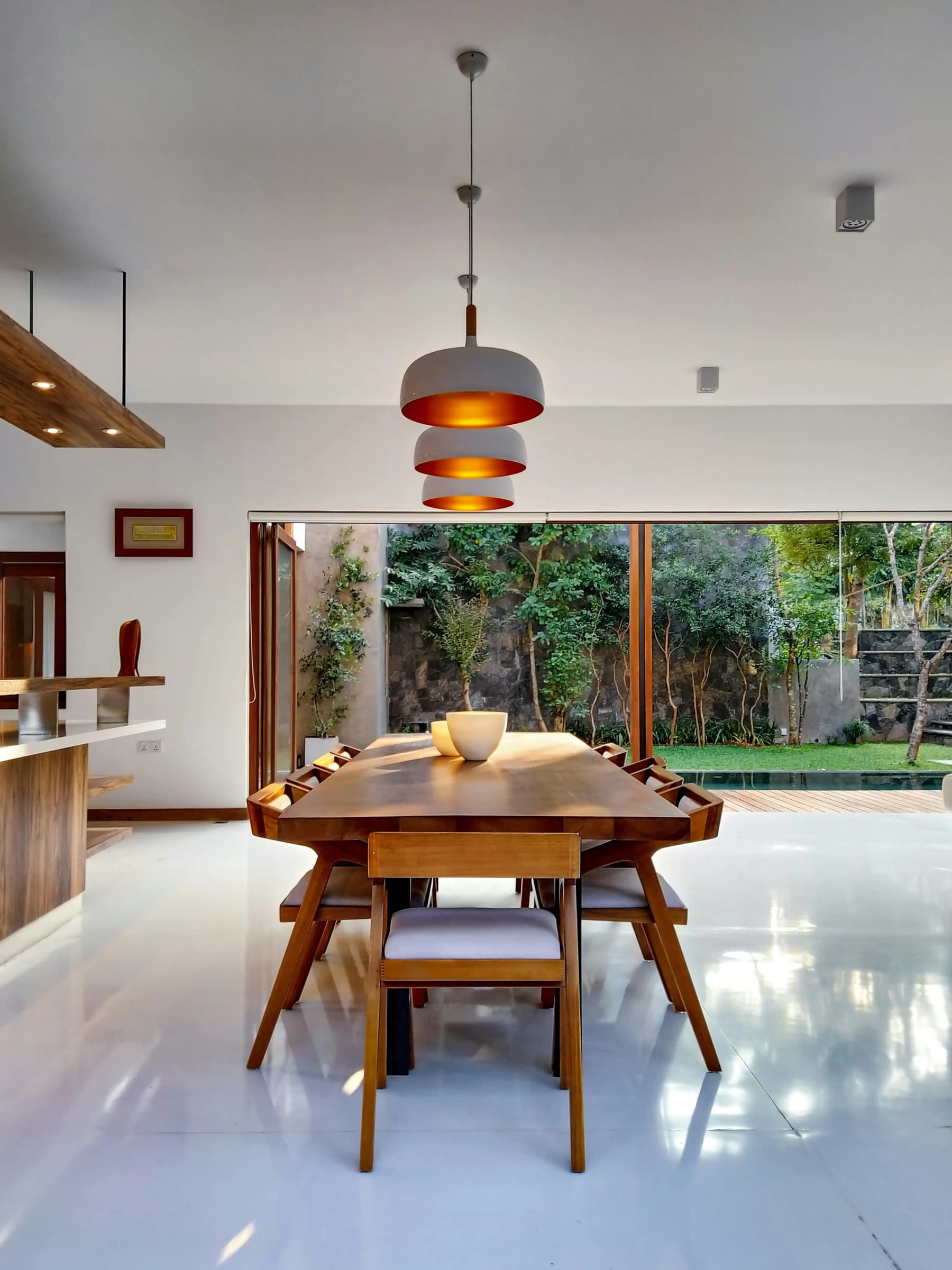
From Dream Home to Ideal Home
The dream home is an image; the ideal home is an answer. How to move from one to the other without losing beauty along the way.
June 30, 2026 · 13 min read
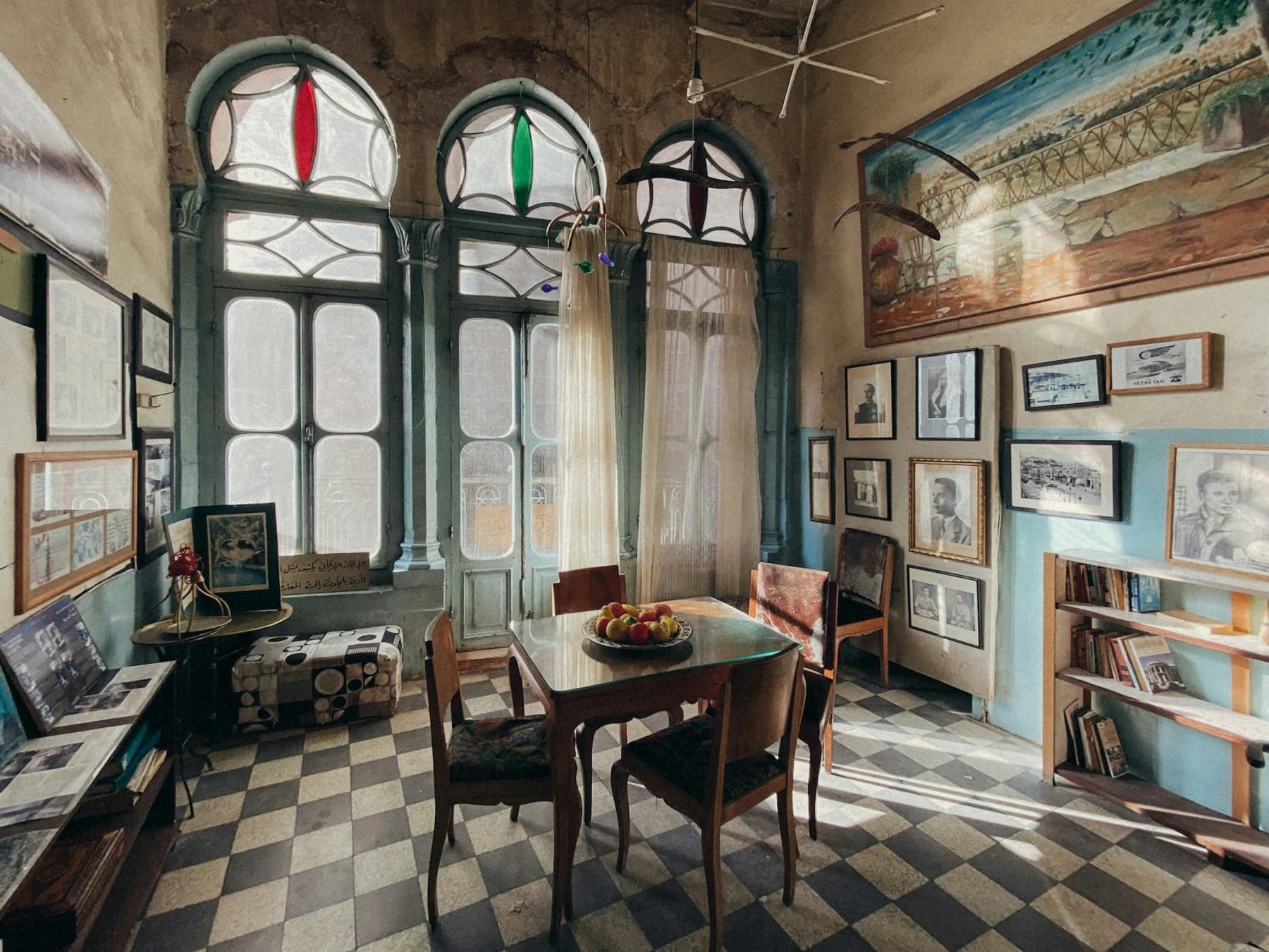
Five Italian Design Styles and How to Bring Them Home
From Roman classicism to Sicilian baroque — five distinct Italian aesthetics and the palettes that define them.
June 15, 2026 · 2 min read
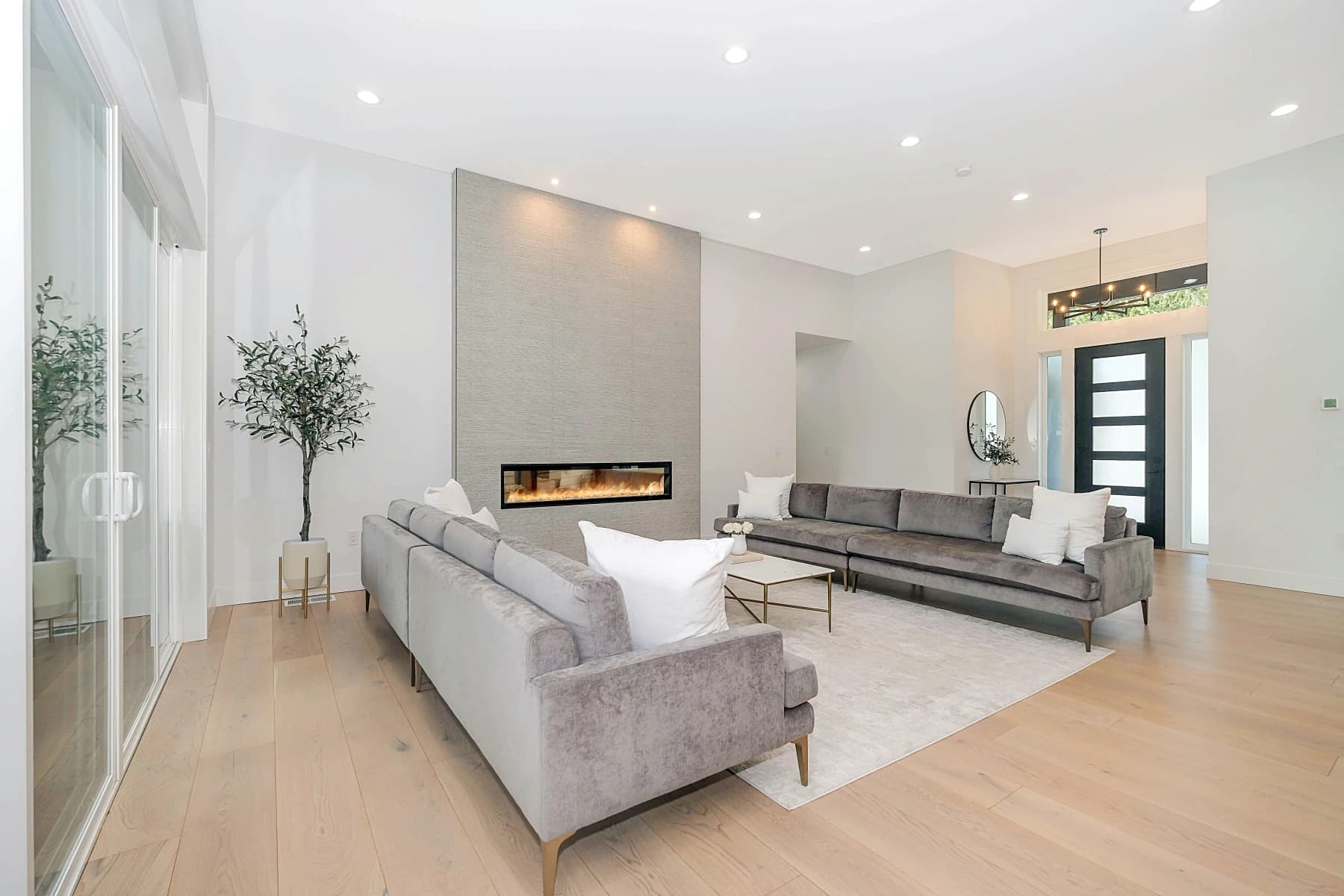
A Home's Flaws and Strengths: Reading Them Like a Designer
Low ceilings, dark rooms, awkward columns: how to turn a home's flaws into character.
June 7, 2026 · 8 min read
Ready to start your Italian project?
Whether you are buying, renovating, or furnishing, ATRIA guides you every step with a bilingual team on the ground.
Request a consultation